






All Women’s Action Society, widely known as AWAM
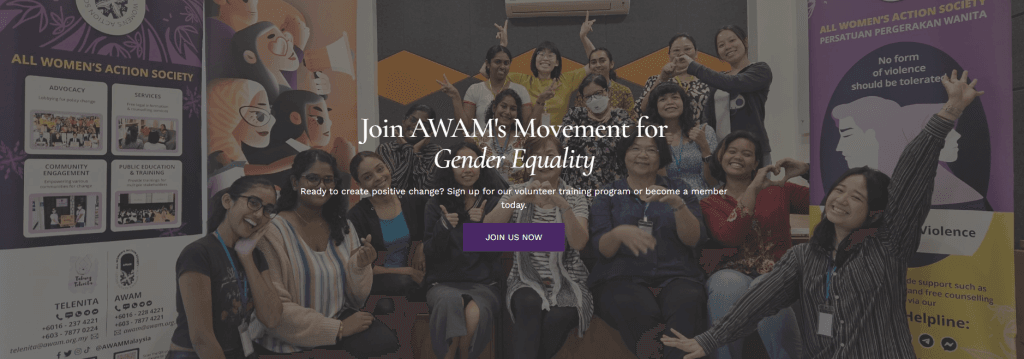
Forty years is more than just a chronological milestone on a calendar because in the realm of human rights, it represents a lifetime of quiet victories, midnight crisis calls, and hard-fought legislative battles. Since its inception in nineteen eighty-five, the All Women’s Action Society, widely known as AWAM, has stood as a beacon of hope and structural change in Malaysia. What began as a passionate collective of women responding to the urgent need for systemic gender advocacy has evolved into one of the country’s most formidable non-governmental organizations, transforming individual lives while systematically dismantling oppressive societal norms.
To understand the weight of their forty-year legacy, one must look past the statistics and instead listen to the echoes of their daily work. It is a telephone ringing in the quiet hours of the night, met by a trained counselor who offers a lifeline of safety and legal guidance to someone fleeing domestic abuse.
The Evolution of the Telenita Lifeline
At the heart of AWAM’s grassroots impact is their signature counseling and legal clinic, historically anchored by the Telenita helpline. Over the decades, this service has provided free, confidential support to thousands of survivors of gender-based violence, sexual harassment, and domestic abuse. The counselors do not merely offer temporary comfort but rather walk alongside survivors, helping them navigate complex legal landscapes, hospital procedures, and police reporting with dignity and informed autonomy.
Through these highly personalized interventions, AWAM has helped survivors transition from a state of paralysis and fear to one of empowerment and active agency. This practical, survival-centric support is crucial because it bridges the gap between progressive national policies and the painful, messy realities that women face on the ground.
Legislative Milestones and the Battle for Reform
While supporting individual survivors remains a core pillar, AWAM’s long-term vision has always focused on systemic, institutional reform. The organization has played a pivotal role in lobbying for landmark legislation in Malaysia, including the Domestic Violence Act of nineteen ninety-four and the more recent, highly anticipated anti-sexual harassment laws. By collaborating with government ministries, judicial bodies, and other civil society organizations, AWAM has consistently pushed for legal frameworks that recognize and punish gender-based crimes.
These political efforts are supported by comprehensive research and empirical data gathered through decades of grassroots work, making their policy recommendations highly respected in academic and legislative circles alike. Through persistent public education and training modules delivered to corporate bodies, schools, and local communities, they have fostered a broader national understanding of consent, gender equity, and human rights.
A Vision for the Fifth Decade
As AWAM celebrates forty years of relentless dedication, the challenge lies in adapting their advocacy to meet the emerging issues of a digital and highly globalized era. Online gender-based violence, digital harassment, and economic disparities continue to threaten the safety and progress of women across Malaysia, meaning that the work of AWAM is as urgent today as it was in nineteen eighty-five.
By investing in youth-led movements, modernizing their digital outreach, and continuing to provide essential support services, AWAM is not merely reflecting on its past achievements but is actively designing the blueprint for the next generation of social change. Their four-decade journey serves as a powerful testament to the idea that collective action, when fueled by empathy and strategic vision, can truly rewrite the social fabric of a nation.