





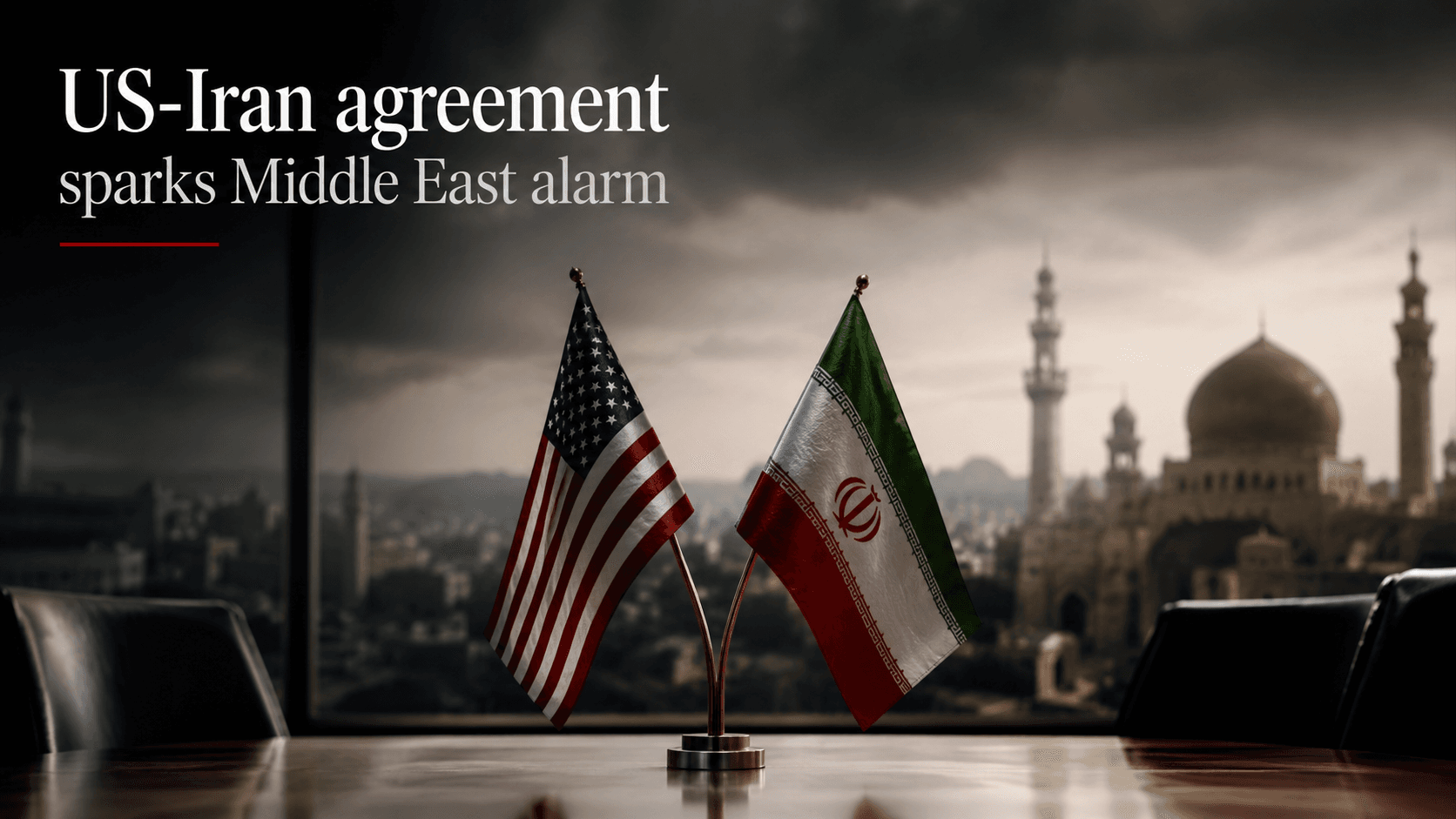
BEIRUT – A massive diplomatic shift has sent shockwaves across foreign capitals, completely upending decades of strategic alliances. Specifically, the newly minted US Iran geopolitical agreement is being hailed by its architects as a monumental triumph. Yet, for Tehran’s traditional adversaries across the Middle East, the historic accord feels like a profound betrayal. Signed directly by US President Donald Trump and Iranian President Masoud Pezeshkian, the framework leaves Iran far more secure and influential.
Regional Rivals Stunned by the US Iran Geopolitical Agreement
The sudden closing of the deal has triggered immediate alarm among Washington’s longest-standing regional partners. For instance, Israeli analysts have already characterized the US Iran geopolitical agreement as an unmitigated strategic catastrophe. For years, regional security plans focused on a joint campaign to weaken the Islamic Republic. Instead, the final text shifts toward formal American recognition of the establishment, delivering none of Israel’s core security demands.
Furthermore, the pact provides no clear restrictions on Tehran’s ballistic missile programs or its network of regional proxies. Even Israel’s ongoing military campaign in southern Lebanon has been heavily constrained by the 60-day ceasefire framework written into the pact. Israeli research teams note that Washington has effectively handed legitimacy to the exact system it previously vowed to bring down. Consequently, this strategic realignment leaves Jerusalem facing deep diplomatic isolation.
A Grand Bargain Redraws the Balance of Power
The symbolic staging of the peace process underscores the sheer weight of this international transformation. Trump chose to formalize the milestone on the sidelines of the G7 summit at Versailles. For both Washington and Tehran, the 14-point memorandum represents a grand bargain with virtually no turning back. Iran simply could not endure further economic devastation under the strict naval blockade, and Trump had no desire to sustain an open-ended war.
Meanwhile, Gulf states are watching the treaty with immense caution. Under the agreed terms, Iran secures an immediate pause to hostilities, phased sanctions relief, and the full revival of its vital oil exports. The pact even outlines a massive $300 billion reconstruction fund. This leaves the nation with unprecedented room to maneuver, cementing its presence as a dominant regional heavyweight. As technical teams gather to implement the initial maritime steps, the world must rapidly adjust to this fragile new reality.