







KUALA LUMPUR — A worrying spike in colorectal cancer cases across Malaysia has raised urgent public health alarms, with an unexpected 11 per cent of diagnoses now occurring in individuals under the age of 40.
The National Cancer Society of Malaysia (NCSM) confirmed the rising trend, labeling the growing prevalence among the nation’s youth as a deeply concerning shift. NCSM managing director Professor Dr M. Muralitharan highlighted that colorectal cancer has now solidified its position as the second most common cancer affecting Malaysians.
Late Detection and Baseline Demographics
Medical experts are particularly alarmed by the advanced stage at which younger patients are being diagnosed. According to Dr Muralitharan, the vast majority of these under-40 cases are only detected when the disease has already progressed to stage three or stage four, severely complicating treatment options and lowering survival outcomes.
Official health registry data compiled between 2017 and 2021 recorded approximately 24,000 total colorectal cancer cases in Malaysia, underscoring the baseline magnitude of the disease nationwide.
Lifestyle Factors and Precautionary Measures
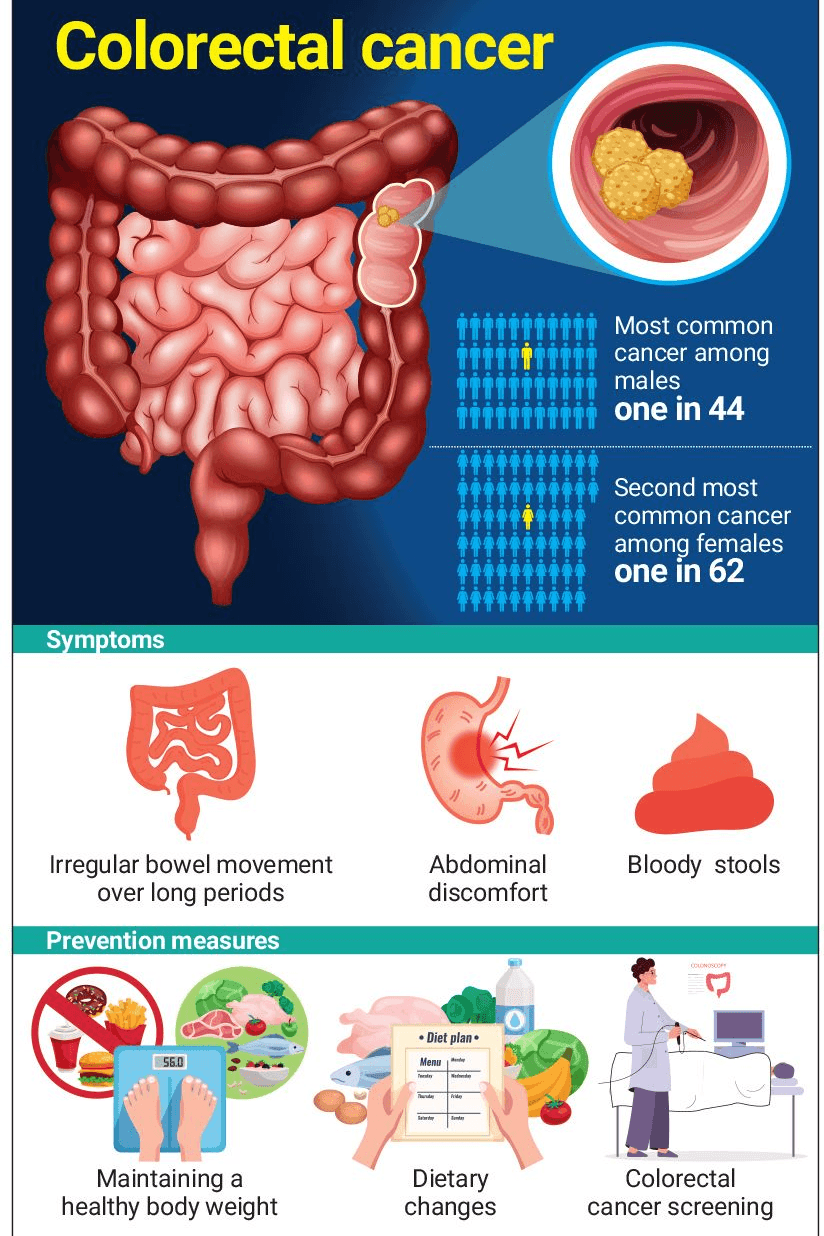
The surge is heavily linked to modern lifestyle disruptions and daily habits. Healthcare professionals point to poor dietary choices, severe lack of physical activity, obesity, and smoking as the primary drivers behind the escalating case numbers.
Because early-stage colorectal cancer frequently develops without showing any obvious symptoms, healthcare authorities are urging a shift toward preventive medicine. The NCSM stresses that early detection remains the single most effective way to save lives.
As a baseline precaution, individuals over the age of 40 are strongly advised to undergo mandatory annual health screenings. Health officials also emphasize that maintaining a balanced, nutrient-dense diet and incorporating regular exercise into daily routines are critical steps for all age groups to lower their overall cancer risks.