







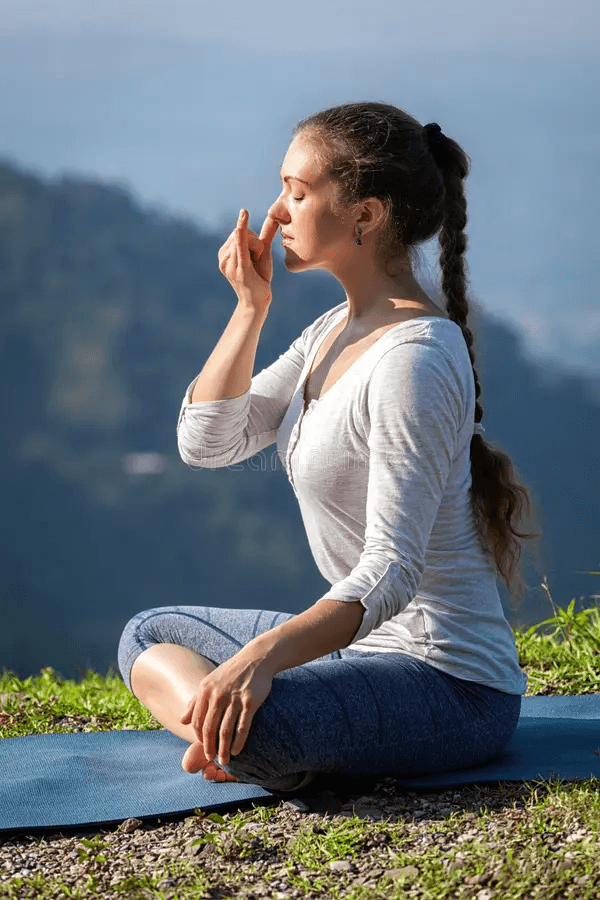
A common misconception about yoga is that it is strictly a physical workout focused on moving the body through complex positions. When practiced regularly, yoga asanas (poses) are actually part of a holistic system designed to encourage healthier, more conscious lifestyle choices.
However, physical postures are only one piece of the puzzle. Authentic yoga incorporates other vital dimensions, primarily pranayama (breathwork) and dhyana (meditation). Integrating all three components is what truly guides a practitioner toward an elevated quality of life.
What is Pranayama?
Pranayama is a Sanskrit term combining prana (life force or vital energy) and ayama (extension or mastery). By practicing these breathing techniques slowly and deeply, you actively expand your lung capacity, maximize oxygen delivery throughout the tissue network, and soothe the nervous system.
10 Remarkable Health Benefits of Regular Practice
- Promotes longevity – Yogic philosophy dictates that a person’s life span is intimately tied to their breathing rate. Systematic, deep breathing calms the body’s stress responses, supporting systemic health and vitality.
- Encourages a youthful glow – Deep, intentional breathing floods the bloodstream with oxygen, which directly benefits the skin. This enhanced oxygenation revitalizes the complexion, naturally softening signs of aging such as fine lines and dark under-eye circles.
- Enhances cognitive clarity – Elevating the oxygen supply to the brain improves neural activity. Practitioners frequently notice sharper focus, clearer thinking, and better cognitive efficiency.
- Strengthens the immune response – Regular breathwork helps mitigate the cellular degeneration brought on by chronic stress. It optimizes the function of lymphocytes—the white blood cells responsible for immune defense—helping the body ward off viruses and bacteria.
- Improves sleep quality – Dedicating time to conscious breathing triggers the parasympathetic nervous system, inducing a state of deep mental and physical calm that helps combat insomnia.
- Stabilizes mood and emotional energy – Over the long term, pranayama serves as a powerful tool to manage anxiety, stress, depression, and mental fatigue while fostering heightened self-awareness.
- Deepens mindfulness – The deliberate focus required for breathwork grounds the practitioner in the present moment, creating a sense of inner stillness that allows you to connect with your inner qualities.
- Aids systemic detoxification – Dynamic deep breathing increases the movement of cellular fluids through the body’s tissues. This process enhances the lymphatic system’s filtering power, helping to flush metabolic waste while improving nutrient absorption.
- Optimizes respiratory health – Naturally, the lungs benefit immensely. The practice clears stagnant air from the respiratory tracts, expands lung volume, and ensures the entire organ functions at peak capacity.
- Acts as a pump for the lymphatic system – Unlike the circulatory system, the lymphatic system lacks a heart to pump its fluid. When it becomes sluggish, toxins accumulate, leaving you feeling stiff, heavy, or swollen. The deep diaphragmatic movement of pranayama acts as a physical pump, accelerating lymph flow and smoothing the body’s natural defense operations.
Start Your Practice Today
You do not need hours of free time to experience these benefits. Spending just five to ten minutes every morning focusing on slow, deliberate breathing can shift your entire day.