






KUALA LUMPUR – Malaysia is launching a massive green revolution to supercharge the nation’s automotive landscape and wipe out range anxiety once and for all. In an electrifying announcement on Wednesday, the government revealed it is aggressively refining its EV incentives framework while forging a powerful alliance with utility giant Tenaga Nasional Berhad (TNB) to rapidly deploy high-speed fast-charging stations across major highways.
Speaking at a high-profile industrial summit, Investment, Trade and Industry Minister Datuk Seri Tengku Zafrul Abdul Aziz declared that the state will no longer tolerate slow progress in green infrastructure. The refined strategy shifts direct focus away from simple consumer tax holidays, transforming the policy into an aggressive infrastructure-first blueprint designed to turn Malaysia into a dominant regional electric vehicle powerhouse.
High-Voltage Upgrades Powered by New EV Incentives
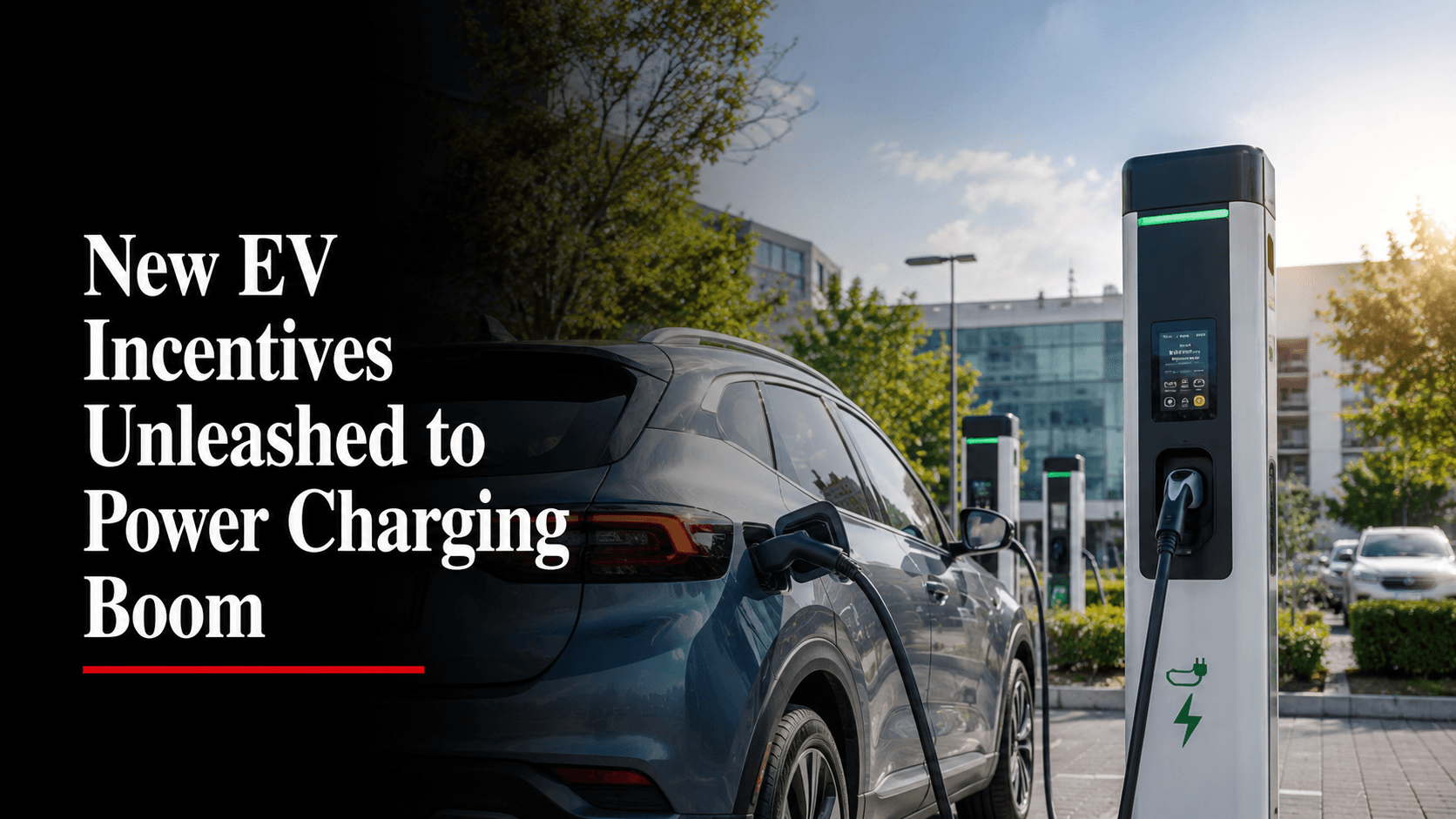
The core of this explosive strategy relies on eliminating the structural grid bottlenecks that have choked off rapid charging expansion for years. Under the freshly updated EV incentives package, the government will provide massive capital subsidies and streamlined land-acquisition tracks for charging operators. For instance, TNB is already utilizing these streamlined approvals to deploy its signature “TNB Electron” ultra-fast DC hubs at critical highway rest stops, slashing vehicle charging times down to mere minutes.
Furthermore, the ministry is tackling the notorious lack of charging access in high-density residential zones. The new policy mandates that property developers who integrate robust commercial charging grids into apartment projects will unlock immediate, highly lucrative corporate tax exemptions. This radical move is expected to unleash a wave of private investments, seamlessly integrating charging capability directly into the daily lives of urban commuters.
Crushing Range Anxiety to Secure Green Dominance
In a fierce bid to outpace regional competition, the government is setting an uncompromising target of establishing 10,000 operational charging stations by the end of next year. Industry analysts note that this aggressive infrastructure push is perfectly timed to support local automakers like Proton and Perodua as they prepare to flood the mass market with affordable, locally assembled electric models. Ultimately, this high-stakes rollout of refined EV incentives isn’t just about modernizing local transit—it is a bold, decisive strike to completely decouple Malaysia’s transport economy from fossil fuel dependence.