






KUALA LUMPUR — The government has partnered with Bank Negara Malaysia and local banks to launch a suite of citizen-centric financial relief measures to shield consumers from rising cost pressures.
Announced by the Ministry of Finance today, the sweeping interventions include the permanent removal of interbank ATM fees, the rollout of low-interest credit alternatives, and billions in fast-tracked corporate debt restructuring. The measures aim to cushion households and small businesses against global economic headwinds and supply chain disruptions stemming from conflicts in West Asia.
Prime Minister and Finance Minister Datuk Seri Anwar Ibrahim welcomed the banking industry’s commitment to shifting towards a more compassionate financial system. He noted that with local families and micro-enterprises grappling with cash flow challenges, financial institutions have a pivotal duty to offer agile, humane solutions.
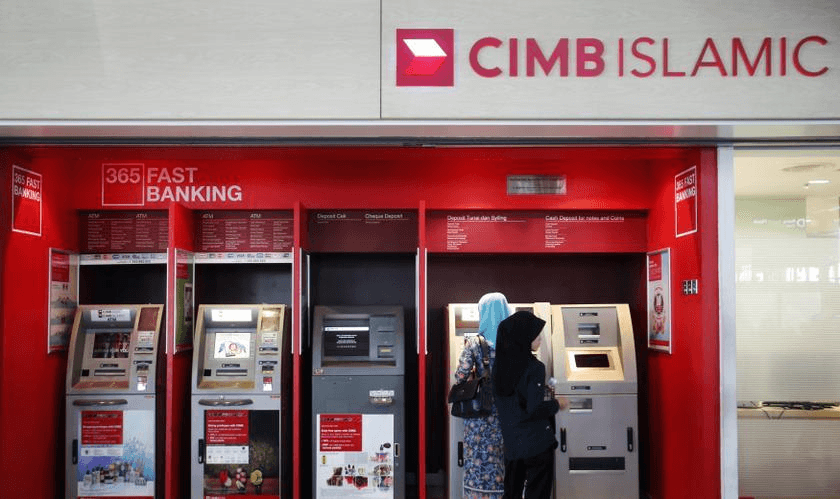
The most immediate change impacts cash withdrawals. Following a policy shift that took effect on 1 July, Malaysians can now withdraw cash at any bank-operated automated teller machine across the nation without being charged the traditional RM1 transaction fee. Spanning a network of over 14,000 ATMs nationwide, this initiative removes a frequent financial burden for lower-income communities who rely heavily on cash.
Simultaneously, the financial sector has introduced a simplified basic credit card to encourage responsible borrowing habits. Rather than enticing consumers with lifestyle perks or complex rewards, these basic cards focus strictly on keeping personal debt manageable. Financing rates for this new tier are capped at 14 per cent per annum, dropping sharply from the standard market maximum of 18 per cent. To help those currently trapped in high-interest cycles, banks will allow existing cardholders to transfer their outstanding debt balances to a basic credit account entirely free of charge.
For small businesses disrupted by geopolitical supply shocks, the credit safety net has expanded significantly. Since late April, local banks have processed debt rescheduling and restructuring applications worth more than RM4.7 billion, offering a vital lifeline to over 1,100 vulnerable borrowers. Relief options include temporary payment holidays, reduced monthly instalments, and extended loan terms.
Furthermore, cash injection into the small and medium enterprise sector remains robust, with outstanding financing growing by 5.3 per cent as of May. Under the government’s RM5 billion SME Stabilisation Relief Facility, approximately RM1 billion has already been funneled to 1,500 heavily impacted businesses. With RM4 liquid billions still left in the reserve fund, commercial banks have promised to compress their evaluation pipelines, committing to a strict seven-working-day processing window to get cash exactly where it is needed most.