






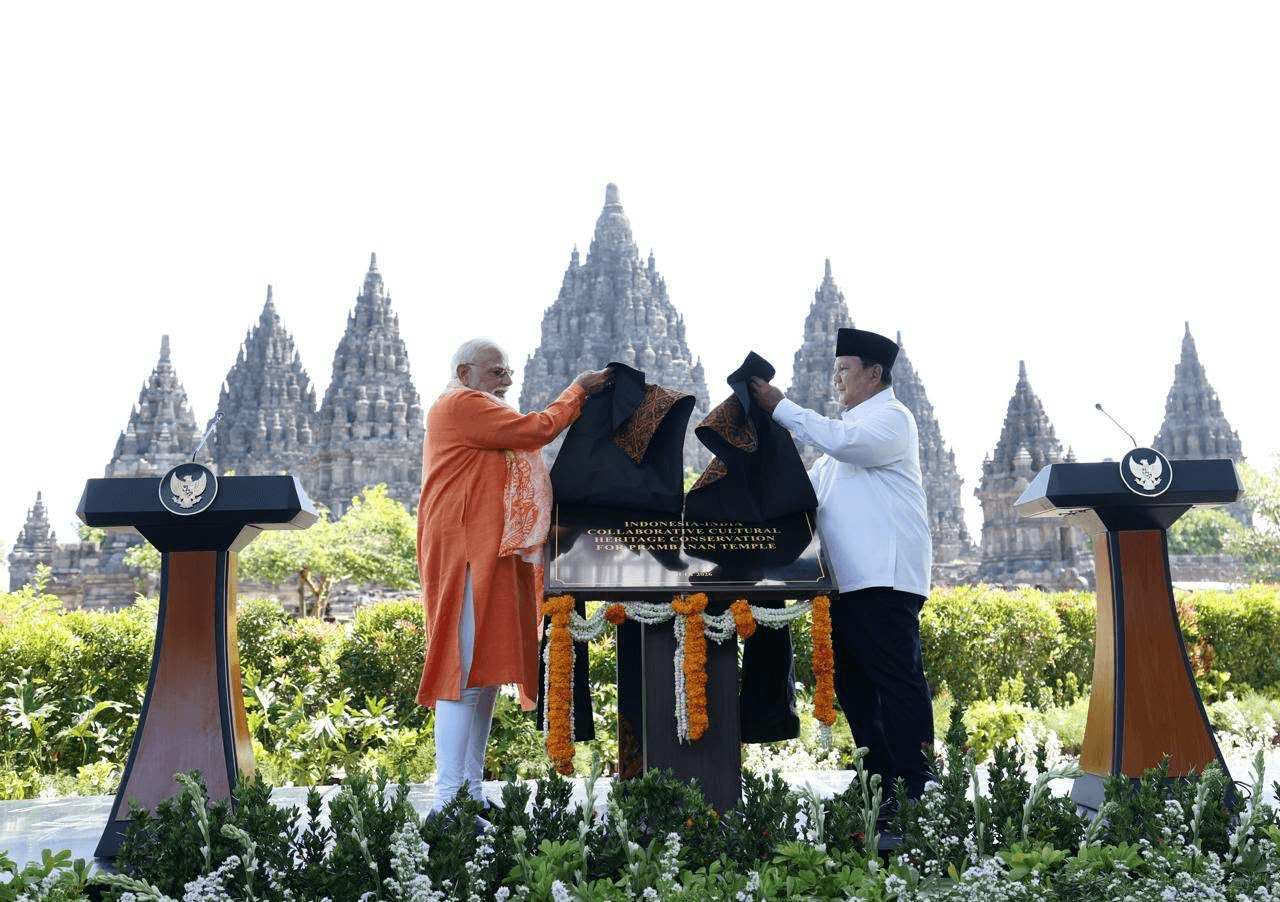
TANGERANG — A landmark restoration agreement between Indonesia and India is set to transform the historic Prambanan Temple complex into a premier global hub for Hindu spiritual tourism and international research.
The joint conservation project will elevate the profile of the UNESCO World Heritage site located in Sleman, Yogyakarta. Announced by Deputy Tourism Minister Ni Luh Puspa on Friday, the initiative aims to unlock the immense potential of the ancient complex, positioning it as a major cultural sanctuary. The strategy targets a massive global market of over 1.2 billion Hindus spread across India, Nepal, Bangladesh, Europe, and America.
The strategic bilateral agreement was formalised on Wednesday when Indian Prime Minister Narendra Modi toured the complex alongside Indonesian President Prabowo Subianto as part of Modi’s official state visit to Indonesia. Officials view the partnership as a vital catalyst to activate the temple as a living spiritual space while strictly upholding international preservation standards.
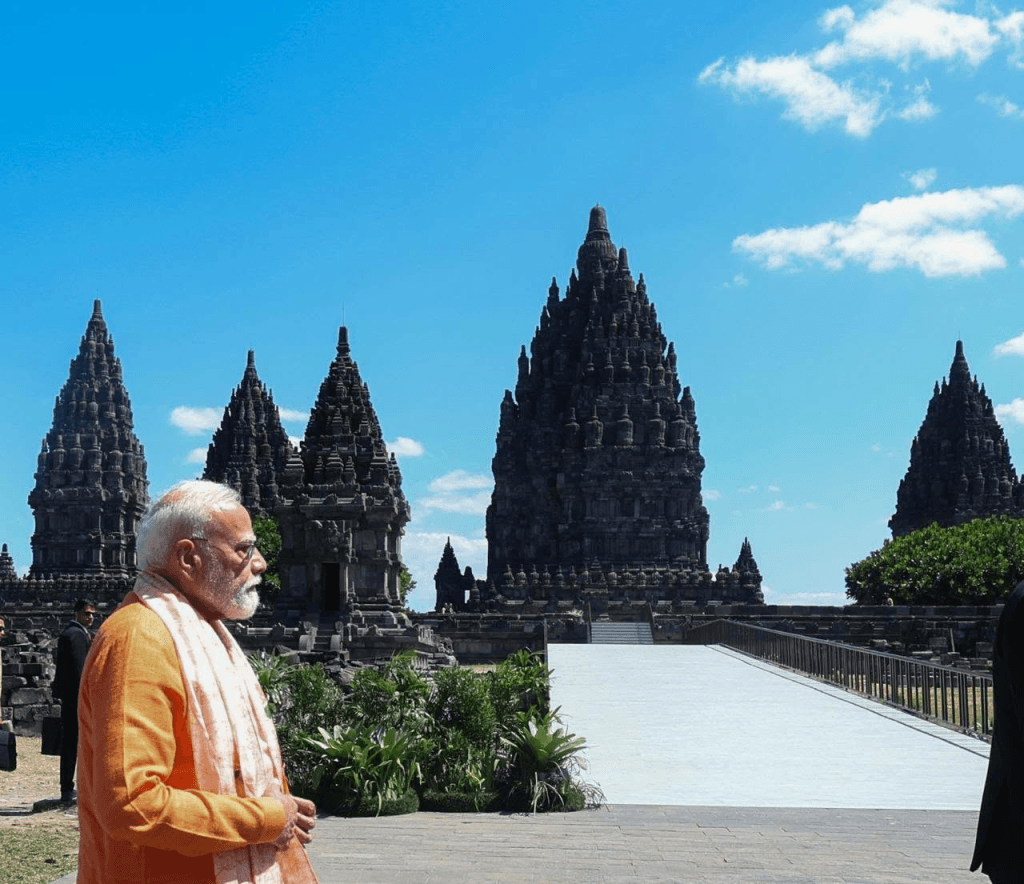
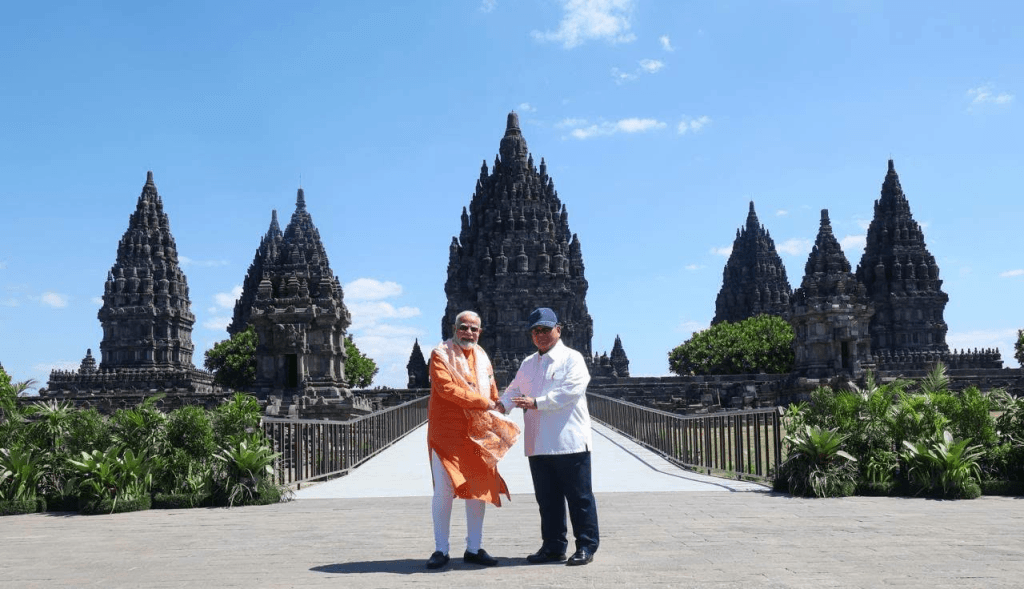
“As one of the largest Shiva temples in the world, Prambanan not only holds immense historical value, but also serves as a centre of civilisation, research, and the development of knowledge about Hinduism,” Ni Luh explained. She emphasised that upcoming structural and infrastructural upgrades will maintain a sustainable balance between protecting the monument’s cultural heritage, preserving its religious sanctity, and managing commercial tourism functions.
To shield the ancient stone structures from environmental degradation and wear associated with the building’s age, specialized teams will deploy immediate conservation interventions. Head of the Prambanan Temple Utilisation Team, Nyoman Ariawan Atmaja, described the restoration project as an essential measure to safeguard the structural integrity of the world heritage site while deepening diplomatic and cultural ties between Jakarta and New Delhi.
The Ministry of Tourism expects this combined cultural approach to introduce more international travellers to Indonesia’s diverse historical landscape. By ensuring ongoing technical maintenance, officials aim to preserve the architectural, historical, and spiritual values of the complex so they can be passed down to future generations.