







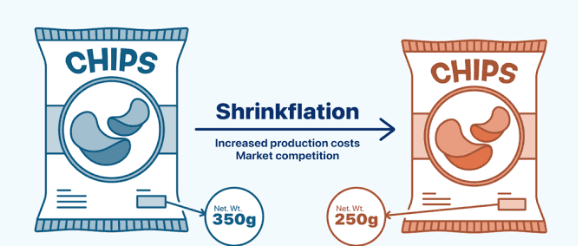
Have you ever opened your favourite packet of potato chips only to find it filled mostly with air? Or perhaps you looked at a chocolate bar you have loved for years and realized it is visibly smaller than before.
It is not your imagination playing tricks on you. In supermarkets across Malaysia, a quiet shift is taking place in the aisles. Your Ringgit does not buy what it used to. Interestingly, this is not because the prices on the shelves are going up. Instead, the products themselves are shrinking. This sneaky tactic is known as shrinkflation, and it is silently eating away at your household budget.
What Exactly is Shrinkflation?
Shrinkflation is a clever strategy used by consumer brands. The word itself is a combination of “shrink” and “inflation.” It happens when a company reduces the size, weight, or quantity of a product while keeping the retail price exactly the same.
This tactic works because of basic human psychology. As shoppers, we are highly sensitive to direct price increases. We will immediately notice if our regular loaf of bread goes up by 50 sen. However, we are far less likely to notice if that same loaf quietly loses two slices. Manufacturers know we rarely look closely at the net weight on the back of the packaging, making this the perfect stealth tax.
The Sneaky Price Hike in Disguise
The real danger of shrinkflation is how it masks the true cost of living. When shelf prices remain steady, it creates an illusion of financial stability.
The true cost only becomes clear when you look at the price per unit. For example, if a 2kg bag of chocolate drink powder is quietly replaced with a 1.8kg bag at the same price, you are actually paying significantly more for every spoonful. This hidden inflation forces you to buy groceries more frequently, draining your wallet without you realizing why.
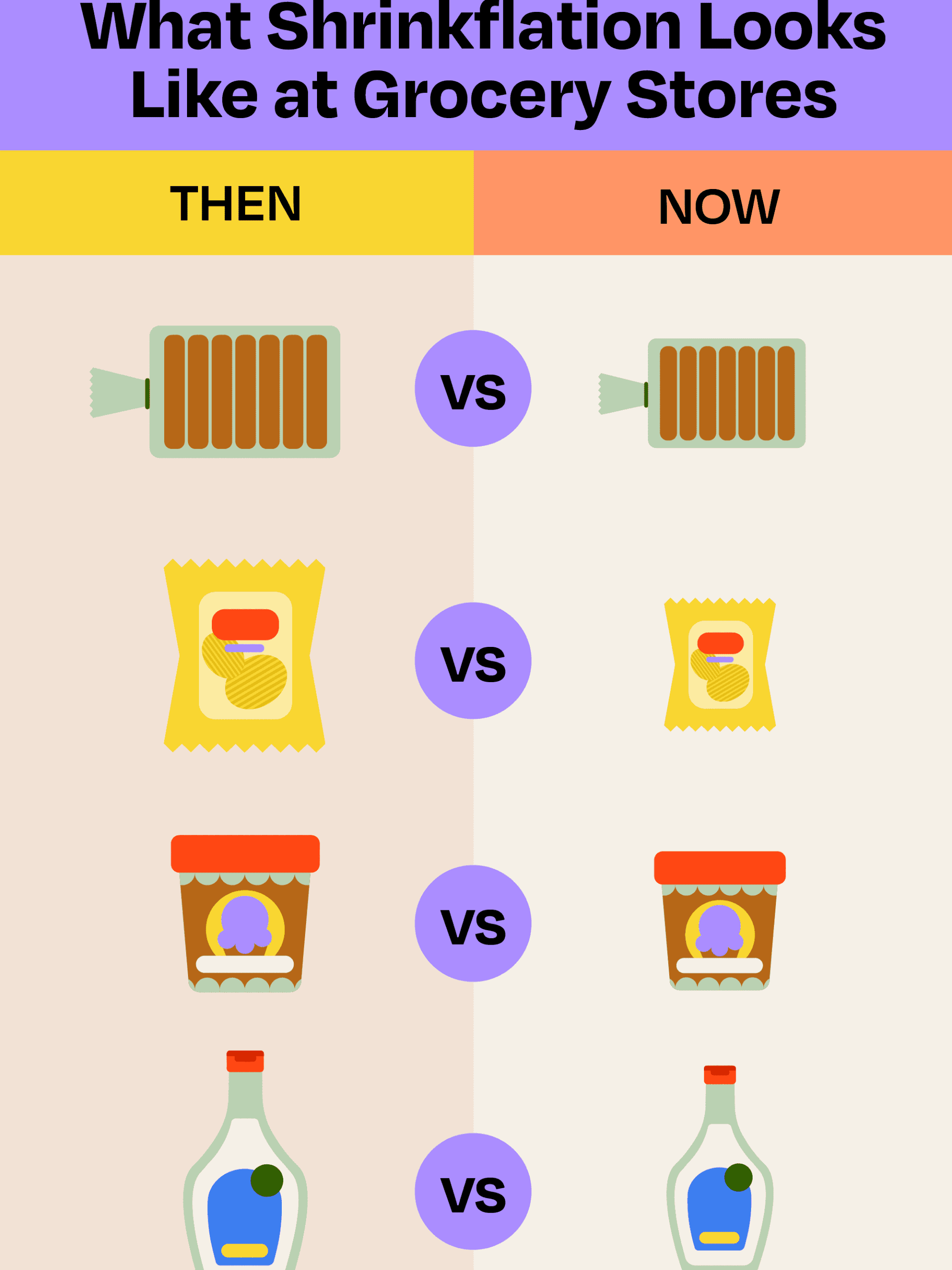
Why Do Brands Keep Shrinking Our Food?
It is easy to blame corporate greed, but manufacturers are facing severe pressures of their own. When the cost of doing business rises, companies must find a way to protect their profit margins.
Typically, three main pressures drive them to shrink their goods:
- Rising Raw Material Costs – Global price hikes for essential ingredients like cocoa, sugar, flour, and palm oil eat into profits.
- Fierce Market Rivalry – Raising prices directly is risky. If a brand raises its price, consumers might immediately switch to a cheaper competitor.
- Clever Redesigns – Companies frequently redesign their packaging. A taller, thinner bottle or a bag with a slightly recessed bottom can hold less product without looking smaller on the shelf.
Faced with these challenges, brands view shrinking the contents as the safest way to survive without driving customers away.
The Hidden Environmental Cost
The impact of this trend goes beyond our bank accounts. When products get smaller, we have to buy more individual packets to get the same amount of food we used to enjoy. This translates to more plastic wrappers, more boxes, and more bottles ending up in Malaysian landfills. Shrinkflation is not just bad for your wallet; it is bad for the planet.
Three Simple Ways to Fight Back
You might not be able to stop manufacturers from shrinking their products, but you can change how you shop. Use these three simple habits to protect your Ringgit,
- Look at the Price per Unit – Stop focusing solely on the main price tag. Instead, check the small print on the supermarket shelf that shows the price per 100g or per kilogram. This reveals the true value.
- Monitor the Net Weight – Get into the habit of checking the actual weight of your regular purchases. If you notice a brand has launched “new and improved” packaging, double-check the weight. It is often a cover for a smaller size.
- Ditch Brand Loyalty – If your favourite brand is shrinking, do not reward them with your money. Try switching to supermarket house brands, which almost always offer better value for money.
By staying alert and paying attention to the details, you can make sure your hard-earned money goes exactly where it should.
What about you? Have you noticed your favourite snacks getting smaller lately?