






ISKANDAR PUTERI, July 12 – The Cabinet has agreed to launch a comprehensive Malaysia tax review focusing on the controversial e-invoicing rollout and the mandatory 2% Employees Provident Fund (EPF) contributions for foreign workers. The announcement signals a potential deferment of both regulatory frameworks to prevent further financial strain on local commercial operations.
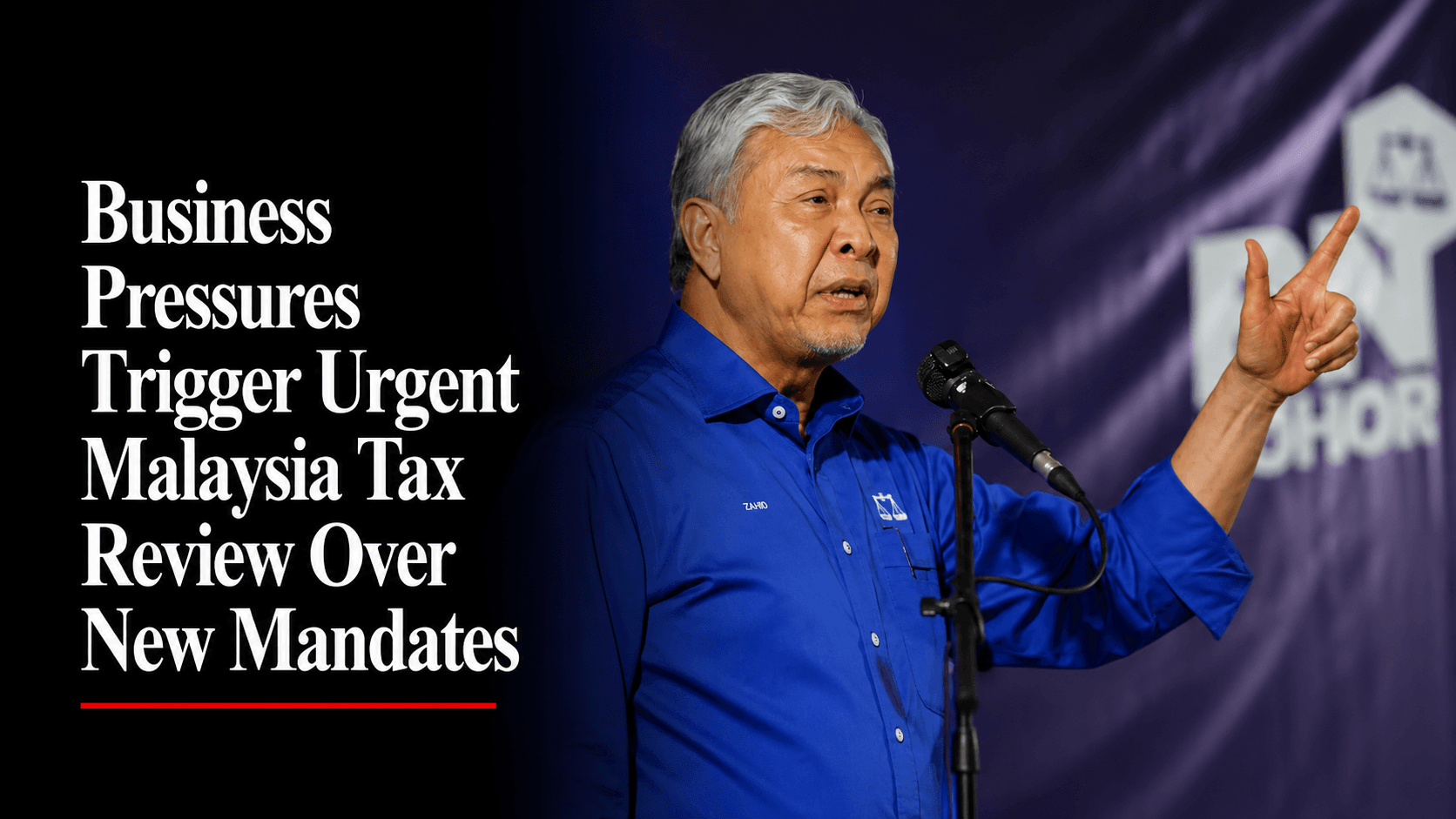
Deputy Prime Minister Datuk Seri Dr Ahmad Zahid Hamidi confirmed the decision following a high-level Cabinet meeting chaired by Prime Minister Datuk Seri Anwar Ibrahim. The newly authorized Malaysia tax review aims to evaluate operational friction points voiced by the domestic business community, which has flagged both policies as overly burdensome during the current economic climate.
The corporate invoicing framework was introduced on August 1, 2024, to automate tax reporting, while the mandatory 2% foreign worker pension fund contribution went into effect in October 2025. Both tracking systems have drawn persistent pushback from small and medium enterprises struggling to manage steep technology compliance setups and surging labor deployment overheads.
“We simply do not want our local enterprises to feel crushed by the rapid implementation of digital invoicing systems,” Ahmad Zahid stated during a community gathering on Wednesday evening.
The request for the immediate Malaysia tax review was advocated strongly by Barisan Nasional ministers to safeguard corporate liquidity against rising global supply chain disruptions tied to ongoing tension in West Asia. Officials stressed that adjusting implementation timelines will give merchant networks essential room to stabilize their cost structures without undermining long-term financial transparency goals.
As administrative teams begin analyzing the operational scale of these updates, employers are advised to remain compliant with current tax laws until the formal report concludes. The Finance Ministry is expected to release the final adjustment schedule once the treasury assesses the structural impacts on state revenues.