







PUTRAJAYA — The Ministry of Health (MOH) has placed all international entry points on heightened alert following a deadly cluster of Andes hantavirus infections linked to a Dutch-flagged cruise ship, the MV Hondius. While no local cases have been reported to date, Health Minister Datuk Seri Dr Dzulkefly Ahmad confirmed that Malaysia is ramping up maritime inspections and border monitoring to keep the rodent-borne disease at bay.

The “MV Hondius” Outbreak
The international health community was put on notice on May 2, 2026, after a cluster of severe respiratory illnesses was reported aboard the cruise ship. The outbreak has since evolved into a multi-country concern:
- Case Count: As of May 13, 2026, 11 cases have been identified, resulting in three deaths.
- Pathogen Identified: Laboratory tests confirmed the cause as the Andes virus (ANDV), a particularly severe hantavirus strain originally found in South America.
- Unique Threat: Unlike most hantaviruses, the Andes strain is the only version documented to spread via human-to-human transmission through close, prolonged contact.
Malaysia’s Strategic Response
Health Minister Dzulkefly outlined a “four-pronged approach” to ensure national security against the virus, emphasizing that the country’s healthcare system is fully equipped with PCR testing capabilities at the Institute for Medical Research (IMR).
Between January and early May 2026, health authorities inspected over 22,300 vessels nationwide to ensure compliance with the International Health Regulations (IHR 2005). “We do not want to be alarmist, but we also do not want the people to be complacent,” the Minister stated during a press conference in Cyberjaya.
Understanding Hantavirus: A Hidden Danger

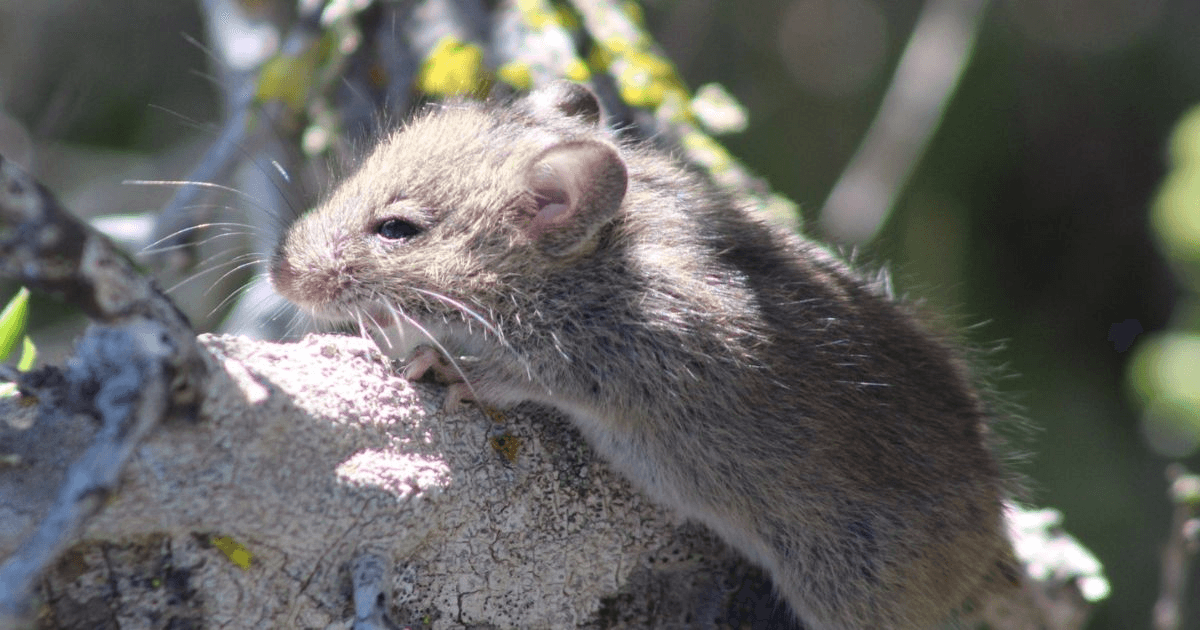
Hantaviruses are zoonotic viruses primarily spread through the urine, droppings, or saliva of infected rodents. Humans typically become infected by inhaling contaminated dust or droplets, a process often triggered by cleaning infested spaces.
The disease manifests in two primary forms:
- Hantavirus Pulmonary Syndrome (HPS): Common in the Americas (including the Andes strain), leading to rapid lung failure with a mortality rate of up to 50%.
- Hemorrhagic Fever with Renal Syndrome (HFRS): More prevalent in Europe and Asia, primarily affecting the kidneys.
Clinical Signs and Public Advice
Symptoms typically appear 1 to 8 weeks after exposure. Early signs often mimic the flu, including:
- High fever and muscle aches (especially in the thighs and back).
- Headaches, dizziness, and gastrointestinal issues.
- Critical Phase: Sudden onset of shortness of breath or coughing as fluid builds in the lungs.
The MOH advises the public to maintain high levels of environmental hygiene to prevent rodent infestations. When cleaning areas where rodents may have been present, experts recommend using Environmental Protection Agency (EPA)-registered disinfectants and avoiding dry sweeping or vacuuming, which can stir the virus into the air.