






KUALA SELANGOR — Malaysia has launched a significant infrastructure push into industrial Waste-to-Energy (WtE) technology to curb its heavy reliance on landfills, transforming thousands of tonnes of daily municipal trash into grid-ready electricity.
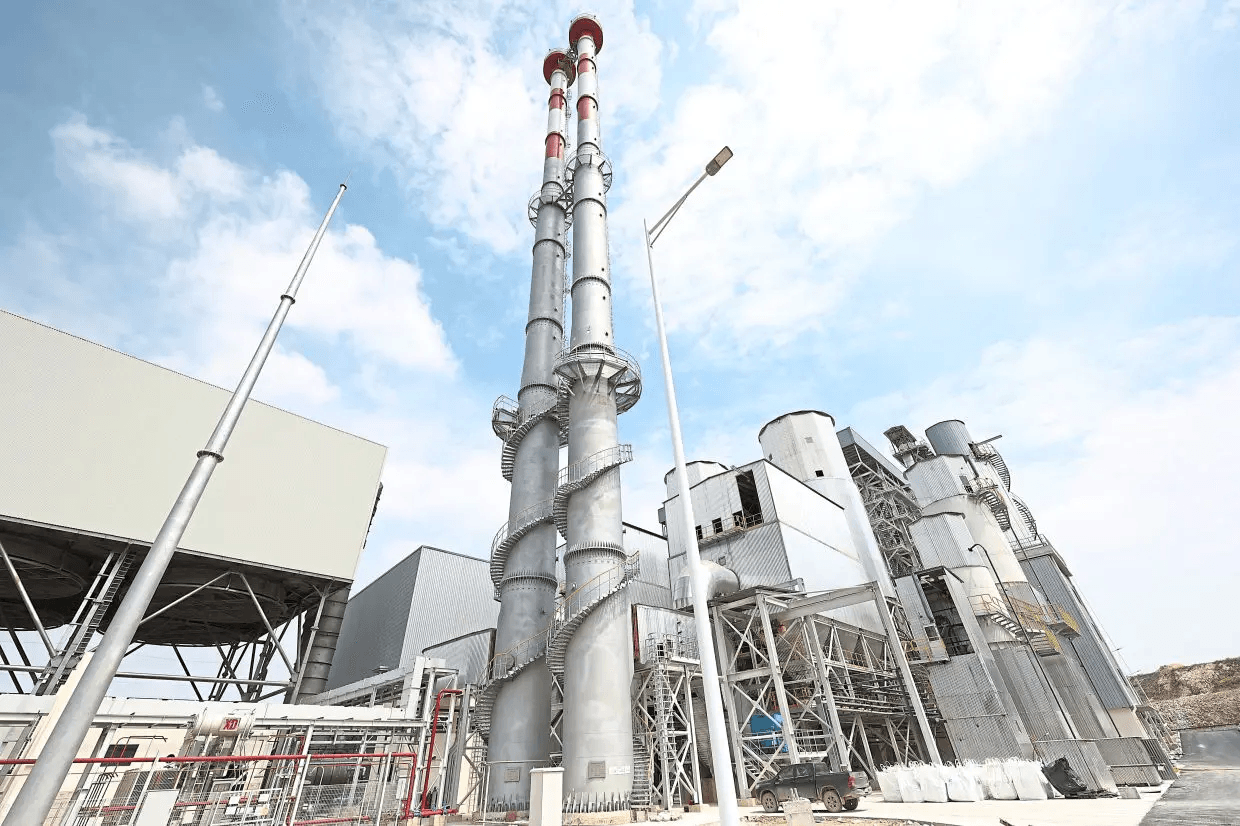
At the newly operational Integrated Solid Waste Management Centre in Jeram, industrial operators manage high-capacity mechanical claws to feed a continuous stream of unsorted household garbage into incinerators operating at temperatures exceeding 1,000°C. Known as WtE 1, this inaugural facility represents Malaysia’s largest operational waste-treatment incinerator to date.
Tackling Selangor’s Massive Refuse Output
The implementation of WtE 1 arrives at a critical juncture for Selangor, the country’s most populous and urbanized state, which generates between 7,000 and 8,000 tonnes of domestic refuse every single day. The facility provides an immediate alternative to traditional open dumpsites by servicing six prominent local authorities: Shah Alam, Subang Jaya, Petaling Jaya, Klang, Kuala Selangor, and Ampang Jaya.
Owned by Worldwide Holdings Bhd—a wholly owned subsidiary of the Selangor State Development Corporation (PKNS)—the plant was developed in direct collaboration with Shanghai Electric Power Generation Sdn Bhd.
- Operational Capacity – WtE 1 processes up to 1,700 tonnes of solid waste daily, intercepting massive volumes of domestic refuse that would otherwise require landfill disposal.
- Energy Output – The facility yields a gross electrical output of 26MW. While 2MW is consumed internally to sustain plant operations, the remaining 24MW is directed straight into the national power grid.
- Land Reclamation Value – By utilizing a highly concentrated grating and combustion system, the facility dramatically mitigates spatial strain. Over a 30-year concession period, the combined presence of localized WtE plants will save an estimated 1,500 acres of state land from being converted into dump space.
The Jeram site serves as the starting point for an expansive RM2 billion provincial waste strategy. The adjacent WtE 2 facility is actively under construction and scheduled for completion by the end of this year, while WtE 3 in Tanjung 12, Kuala Langat, is progressing through its execution phase. Once all three assets are online, they will process a combined 5,500 tonnes of daily refuse and deliver 90MW of power capacity.
Sifting through Ash and Resolving Policy Dilemmas
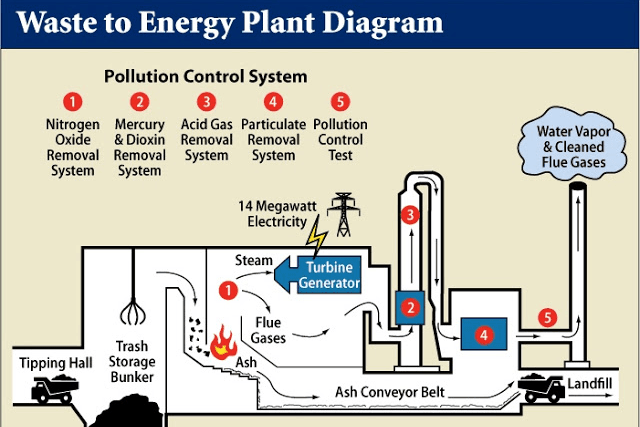
The operational cycle begins when garbage trucks deposit mixed waste into storage bunkers, where it is left to settle for seven days to dry, a process that maximizes its heat value before combustion. Following incinerator exposure, non-combustible materials and precious metals are retrieved from the residual bottom ash. This leftover byproduct is recycled into heavy construction materials like bricks or utilized as a daily cover layer for existing landfill operations.
Despite these efficiency metrics, environmental specialists and local resident groups approach the technology with caution. Activists in regions like Batu Arang, Rawang, have staged public protests against proposed installations, citing potential health hazards and property devaluations.
Addressing these environmental anxieties, the plant operators note that toxic fly ash and hazardous gases like dioxin and furan are tightly filtered and neutralized above 850°C. Operational data is linked to a live-monitoring connection tied directly to the Department of Environment (DOE) to ensure total atmospheric compliance.
Independent waste specialists emphasize that while WtE provides an essential end-of-life disposal option, it cannot replace basic consumer accountability. Experts warn that over-marketing the “waste-to-wealth” narrative risks leading the public to believe that accelerated consumption is harmless, noting that true sustainability relies on intensifying separation-at-source and recycling policies alongside technological disposal.