






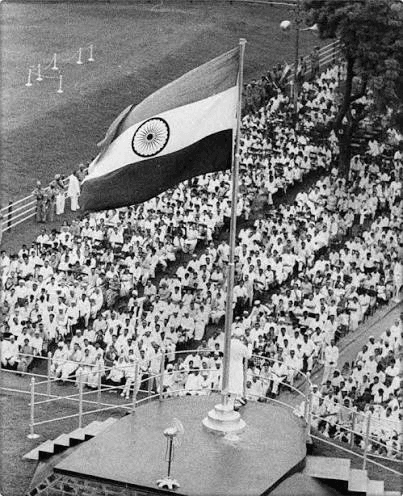
As India celebrates its Independence Day, the nation reflects not only on the triumph of self-rule but on the high-stakes political maneuvering, historical paradoxes, and profound personal sacrifices that defined August 15, 1947.
The story of India’s independence is often remembered as a single triumphant moment when the Union Jack was lowered. However, the reality of that fateful day in 1947 was a complex tapestry of geopolitical haste, an unexpected midnight compromise, and a bittersweet dawn.
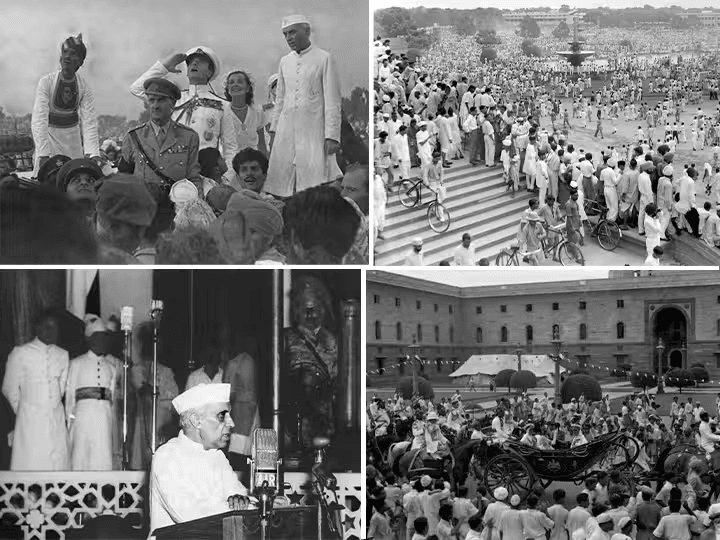
THE DAWN OF INDEPENDENCE (AUGUST 15, 1947): Historical moments capturing India's first Independence Day in New Delhi. Clockwise from top-left: Prime Minister Jawaharlal Nehru, Lord Louis Mountbatten, and Edwina Mountbatten saluting the newly raised Indian national flag at Prince’s Park; massive crowds gathered near the Secretariat and Rajpath to celebrate the transfer of power; Lord Mountbatten’s state carriage departing through cheering crowds outside Government House; and Jawaharlal Nehru delivering his historical address at the midnight session of the Constituent Assembly.The Impulsive Date: Why August 15?
The British Parliament initially set a deadline of June 1948 for the complete transfer of power. However, the last Viceroy of India, Lord Louis Mountbatten, decided to advance the timeline by ten months.
When asked at a press conference in June 1947 to name an exact date, Mountbatten chose August 15 almost on impulse. The date held personal significance for him: it marked the second anniversary of Japan’s surrender in World War II (VJ Day), during which he had served as the Supreme Allied Commander in South East Asia.
The Midnight Compromise
Mountbatten’s unilaterally selected date created an immediate challenge in India. Astrologers across the country declared August 15, 1947, to be auspiciously unfavorable according to traditional Vedic calendars.
With the political timeline fixed and the British unwilling to shift the day, Indian leaders—led by Jawaharlal Nehru—reached a strategic compromise:
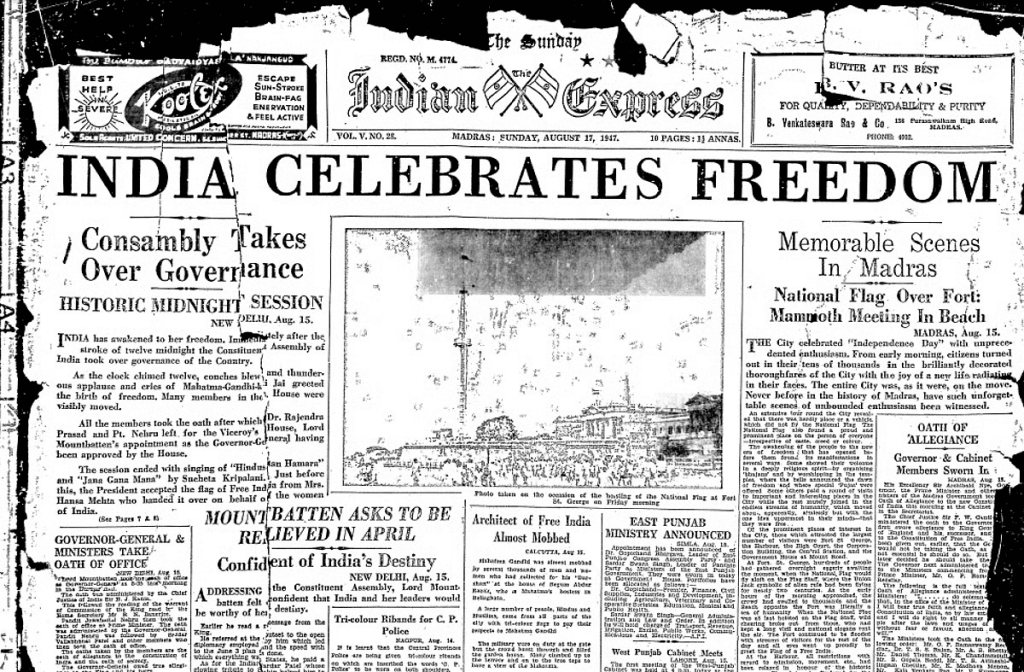
- The Constituent Assembly would convene on the night of August 14.
- As the clock struck 12:00 AM, official sovereignty would transfer to India, technically beginning the new nation at the very first second of August 15.
It was during this transition that Prime Minister Jawaharlal Nehru delivered his legendary address, reminding the nation: “At the stroke of the midnight hour, when the world sleeps, India will awake to life and freedom.”
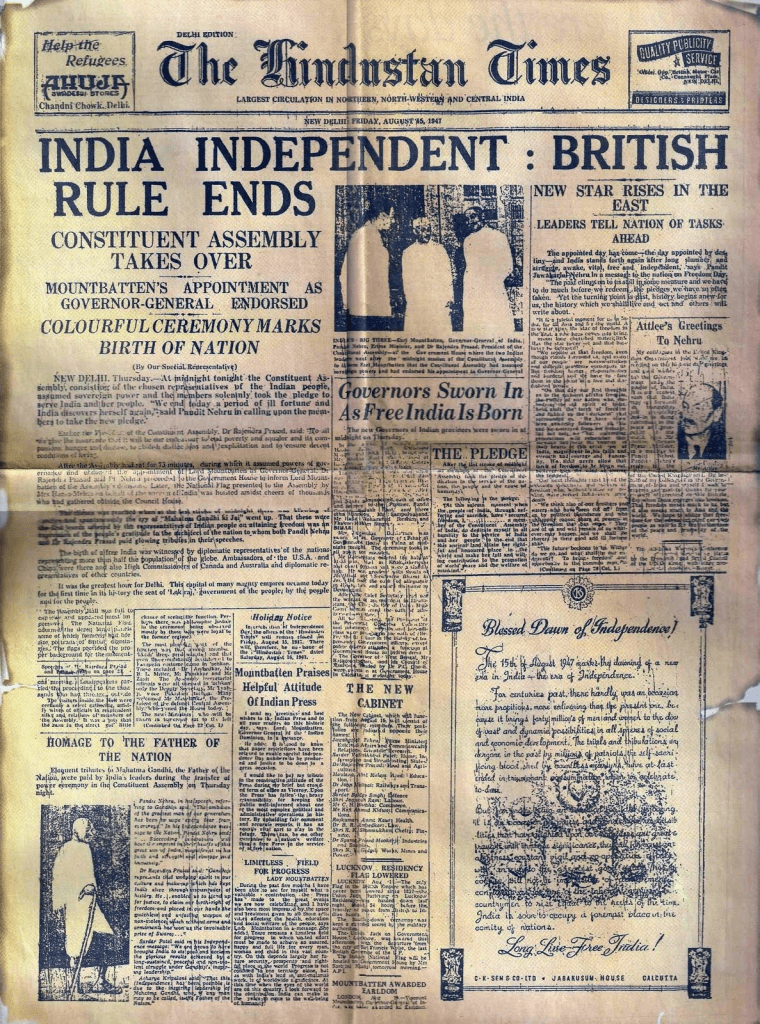
A Bittersweet Dawn and the Missing Mahatma
While joyful crowds flooded the streets of Delhi on August 15, freedom arrived with immense grief. The Indian Independence Act had simultaneously partitioned British India into two separate dominions—India and Pakistan—triggering one of the largest mass migrations in human history and widespread violence.
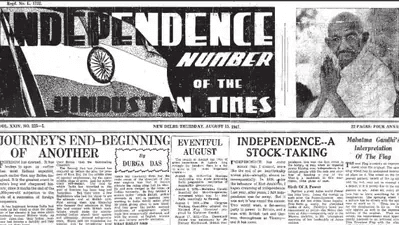
Notably absent from the official celebrations and flag-hoisting ceremonies in New Delhi was Mahatma Gandhi. The architect of India’s non-violent freedom movement spent August 15, 1947, in Calcutta (now Kolkata), engaging in a 24-hour fast and prayer vigil to quell communal violence and promote peace.
The Red Fort Tradition: A Delayed Legacy
Contrary to modern perception, the traditional flag-hoisting ceremony by the Prime Minister at Delhi’s iconic Red Fort did not occur on August 15, 1947.
On the day of independence itself, official proceedings were dominated by formal swearing-in ceremonies at the Constituent Assembly and Government House. It was not until the following day, August 16, 1947, that Nehru raised the Tiranga over the Lahori Gate of the Red Fort for the first time—establishing the template for the annual national ritual observed today.