






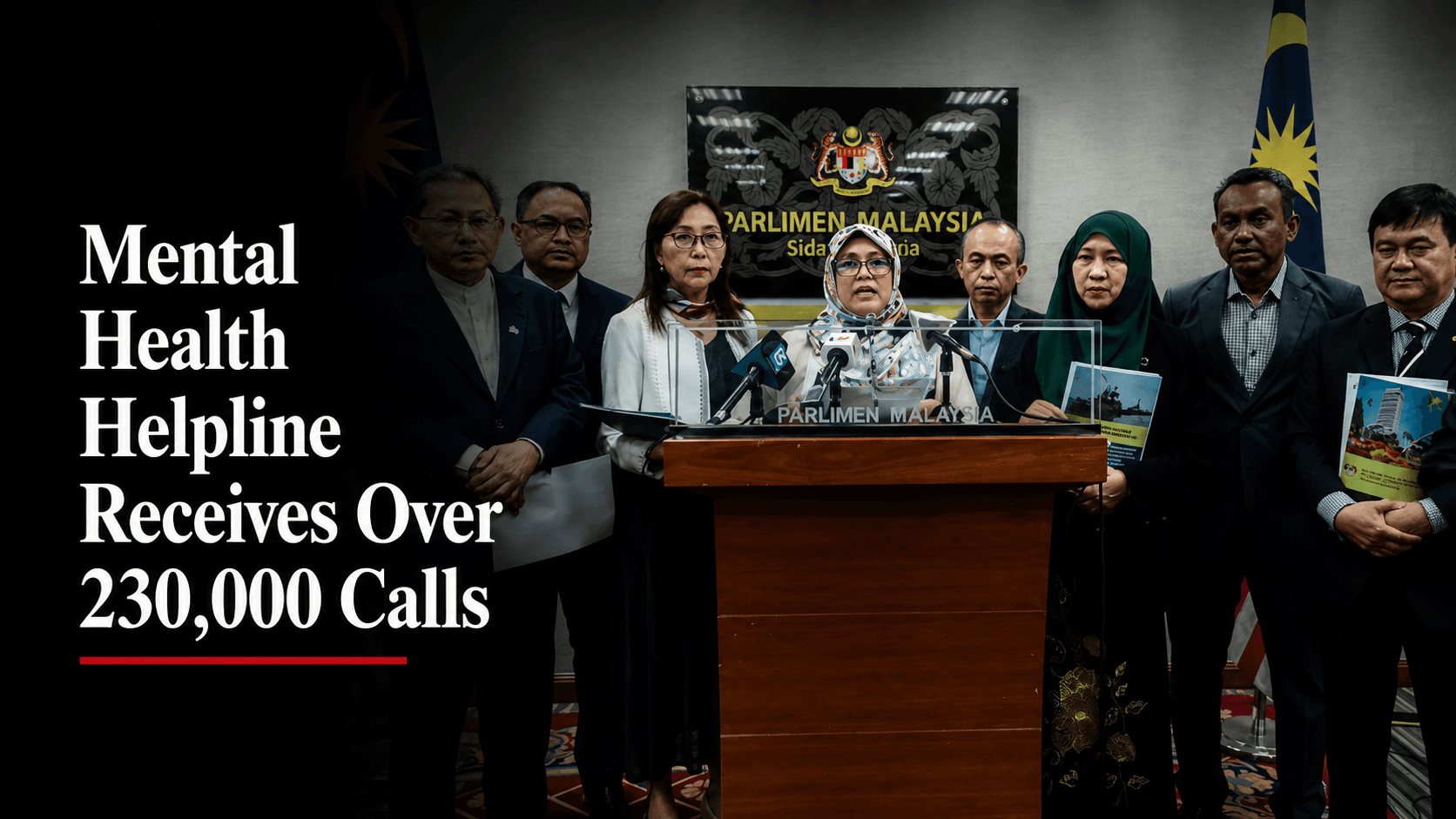
KUALA LUMPUR – Malaysia’s dedicated psychosocial support network has marked a significant operational milestone, reflecting the growing public reliance on national counseling services. The Health Ministry announced on Thursday that the country’s official mental health helpline has received more than 230,000 calls since its initial launch, providing a critical lifeline for citizens navigating emotional distress and psychological challenges.
The high volume of incoming calls underscores a major shift in how Malaysians approach psychological well-being. Health officials noted that the anonymized service has successfully reduced traditional social barriers, allowing individuals from all walks of life to seek immediate assistance without fear of judgment. The helpline operates around the clock, offering real-time crisis intervention and emotional support.
Addressing the High Demand for Mental Health Support
The steady rise in call volumes has prompted the ministry to strengthen its remote counseling infrastructure. To maintain service quality under the increased demand, the government has onboarded additional certified psychologists and trained volunteers to handle complex crises. The helpline primarily assists individuals dealing with severe workplace stress, family relationship issues, financial anxieties, and chronic loneliness.
Furthermore, medical data shows that early telephone interventions significantly reduce the risk of acute psychological crises. Callers who require long-term psychiatric treatment or specialized clinical therapy are systematically referred to the nearest public hospitals or community wellness centers. This structured referral system ensures that temporary crisis management smoothly transitions into sustainable, professional care.
Expanding Accessibility Across Digital Frameworks
To reach a broader demographic, the ministry is working to integrate the helpline with popular mobile messaging applications and digital health portals. For example, future upgrades will introduce text-based counseling options to assist younger citizens who prefer digital messaging over traditional voice calls. Public health departments are also working with local community leaders to distribute informational materials in multiple languages, making resources accessible to rural populations. Ultimately, the high utilization of the national mental health helpline proves that accessible, compassionate support remains an indispensable pillar of the country’s public healthcare strategy.