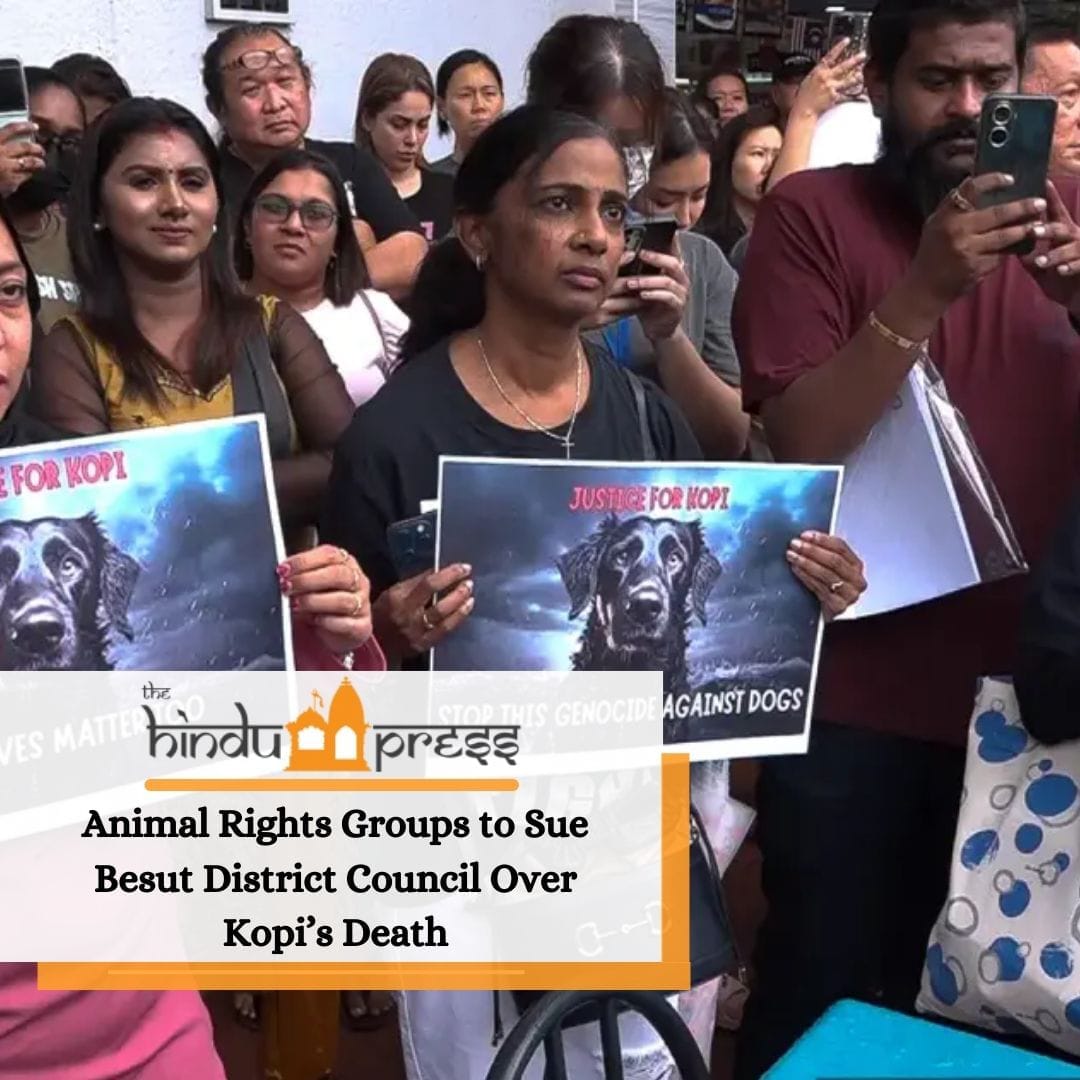





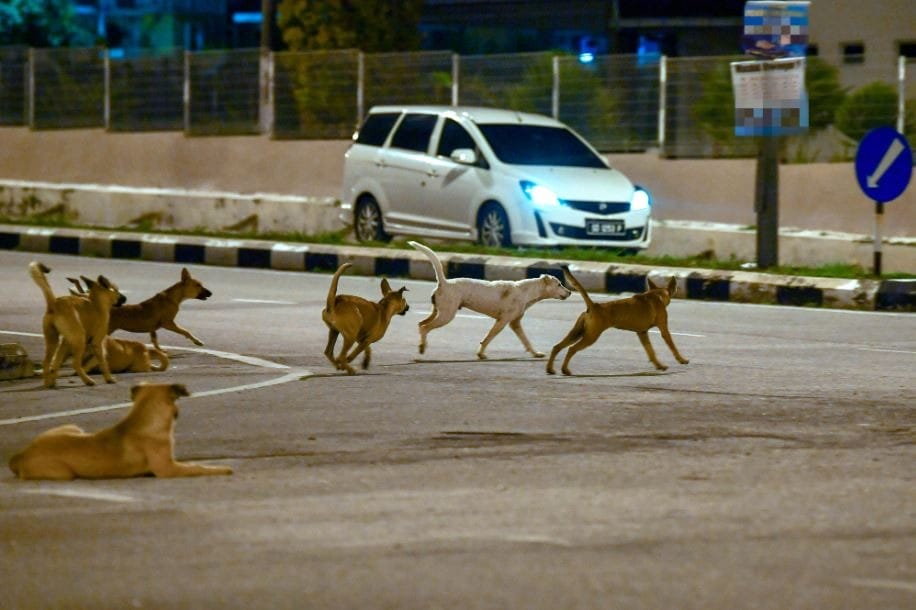
The ongoing challenge of managing Malaysia’s free-roaming dog population demands a sustainable, humane strategy that moves beyond the historically contentious practice of culling. While local authorities have long relied on capture-and-euthanasia methods, modern animal welfare groups and evidence-based global standards increasingly champion the Trap-Neuter-Release (TNR) and Trap-Neuter-Vaccinate-Release (TNVR) approach as the most effective long-term solution. This paradigm shift acknowledges the community dog not as a pest, but as a sentient creature whose population can be managed responsibly.
TNR operates on the scientific principle that removing dogs creates a ‘vacuum effect’, where new, often unneutered, strays migrate into the vacated territory, leading to a rapid return to the original population size. TNR breaks this cycle by sterilising and vaccinating the animals before returning them to their community. They retain their territory, preventing new dogs from moving in, and their inability to reproduce naturally leads to a gradual, verifiable decline in population over time.
For Malaysia, TNR offers a path that aligns with the Animal Welfare Act 2015 while promoting community engagement. The success hinges on strong collaboration between local councils, veterinary services, and dedicated NGOs and community feeders who fund and manage the programmes. By focusing resources on widespread sterilisation and microchipping instead of endless culling cycles, Malaysia can achieve a healthier, more stable, and more humane management of its beloved community dogs.