







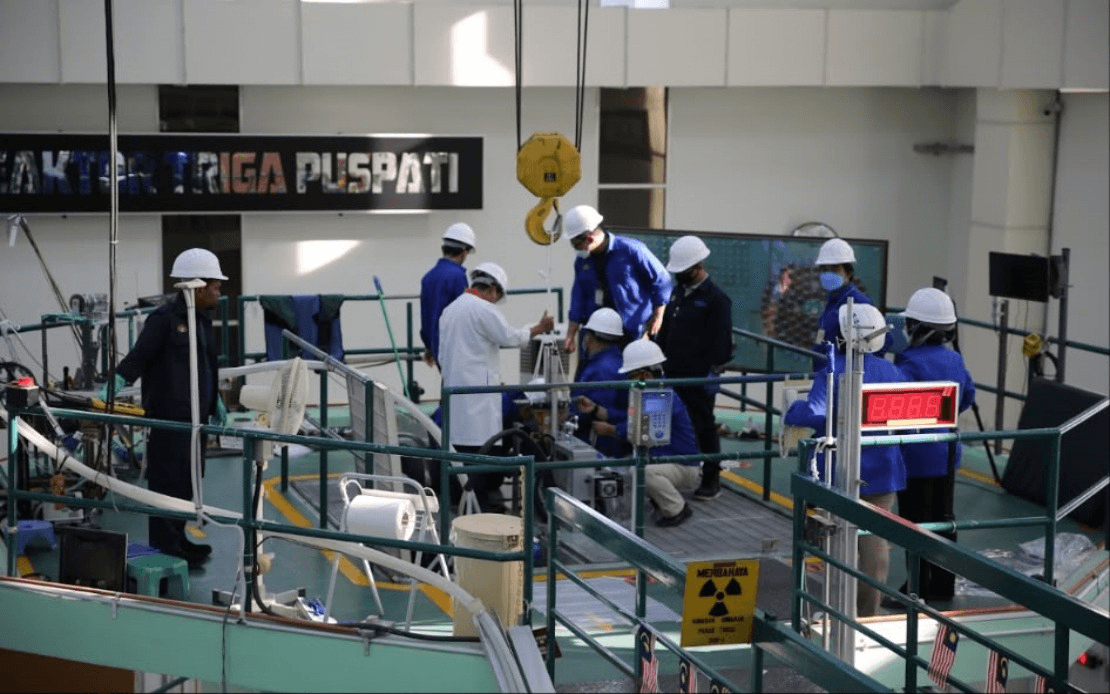
KUALA LUMPUR — The TRIGA PUSPATI Reactor (RTP) continues to anchor Malaysia’s high-tech aspirations, marking 44 years of entirely peaceful, safe, and responsible operations as the country’s sole nuclear research reactor.
According to an official statement issued by the Malaysian Nuclear Agency, this critical state infrastructure made history when it officially commenced operations on June 28, 1982. Over the subsequent four decades, the facility has maintained an exemplary safety record, serving as the primary launchpad for the development of indigenous nuclear science, technical innovation, and specialised human capital.
Driving Multi-Sectoral Socioeconomic Impact
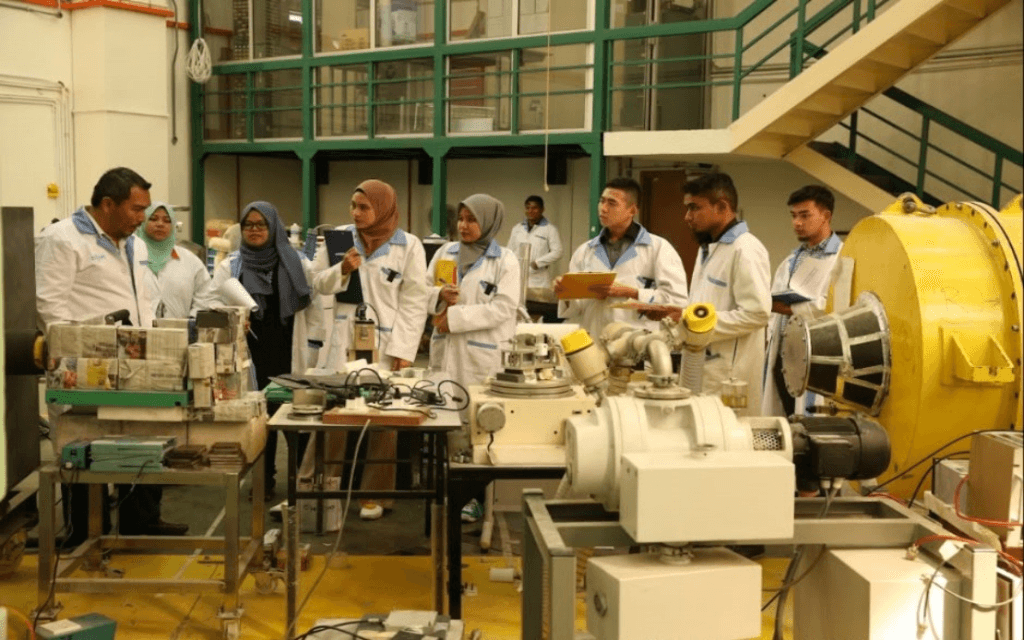
The RTP functions as a vital economic engine rather than just a closed laboratory. The facility has successfully trained thousands of domestic scientists, engineers, and researchers, directly benefiting the public through cross-industry technology transfers.
The operational output of the reactor feeds directly into several core sectors of the Malaysian economy,
- Advanced Healthcare Systems – The facility manufactures medical radioisotopes essential for high-precision diagnostic imaging and targeted radionuclide cancer therapies, supporting healthcare facilities nationwide.
- Industrial Testing and Hydrology – Local expertise derived from the reactor drives non-destructive testing (NDT) for heavy manufacturing, material structure analysis, neutron radiography, and complex hydrological research.
- Agriculture and Food Security – Nuclear technology applications have expanded into local agricultural frameworks, facilitating environmental pollution detection, soil safety assessments, and the breeding of climate-resilient crop variations.
Aligning with National Policy and Future Energy Goals
To ensure the strategic asset remains fully resilient against modern technical challenges, the Malaysian Nuclear Agency is executing an extensive lifecycle extension programme. These comprehensive measures include rigorous ageing management systems, fully digitised radiation safety monitoring, and heavily upgraded physical and cyber security architectures.
These systemic reinforcements directly align with the strategic objectives of the National Nuclear Technology Policy 2030 (DTNN 2030). Orchestrated under the guidance of the Ministry of Science, Technology and Innovation (MOSTI), the policy aims to build a highly competitive, sustainable, and safe nuclear ecosystem that elevates Malaysia’s status within the global high-tech economy.
The current technical upgrades serve a broader long-term geopolitical and administrative purpose. The technical expertise gathered through the RTP is actively paving the way for next-generation research reactors, ensuring that the civil service and local engineering sectors are fully prepared for any future implementation of a national nuclear energy programme.