




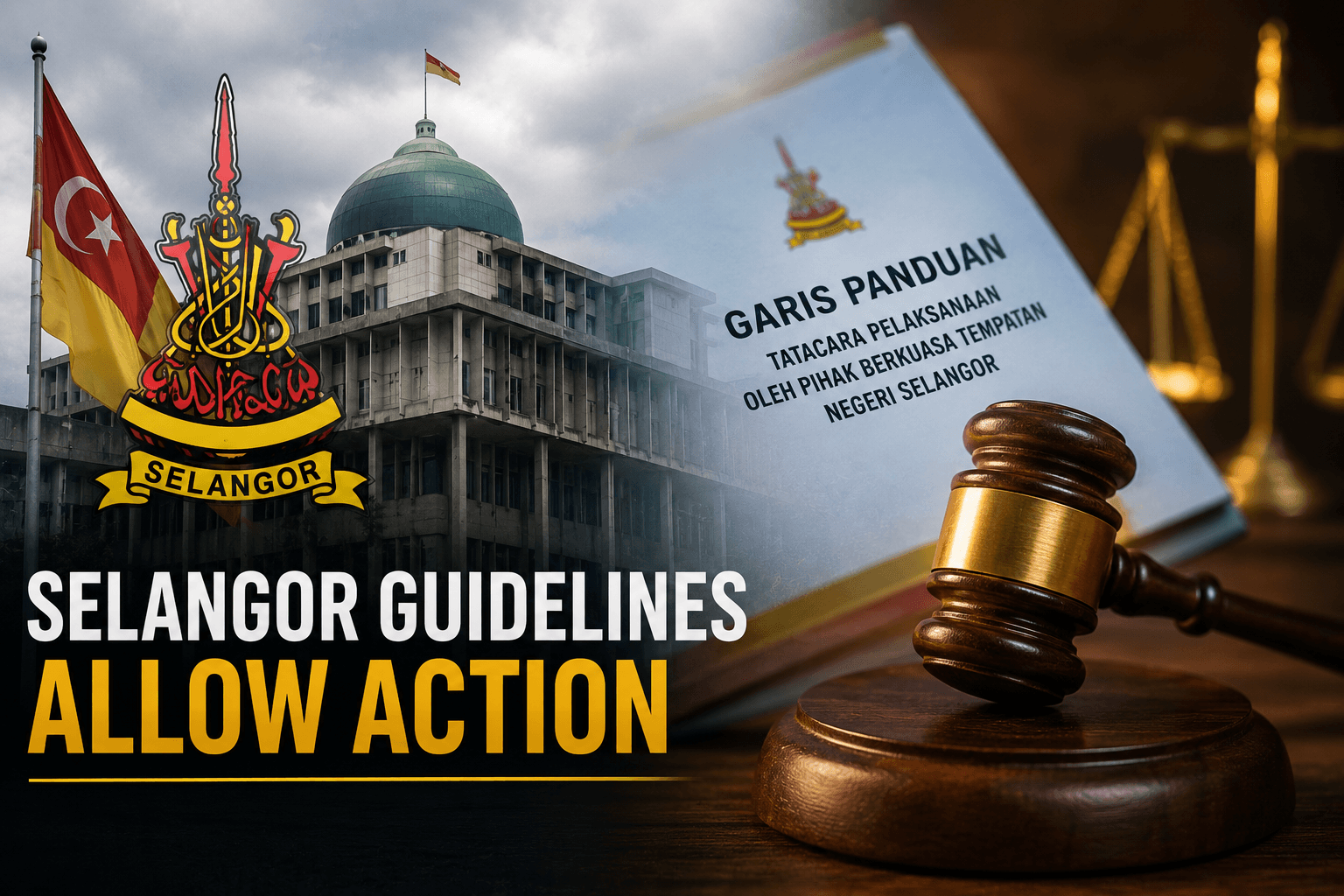
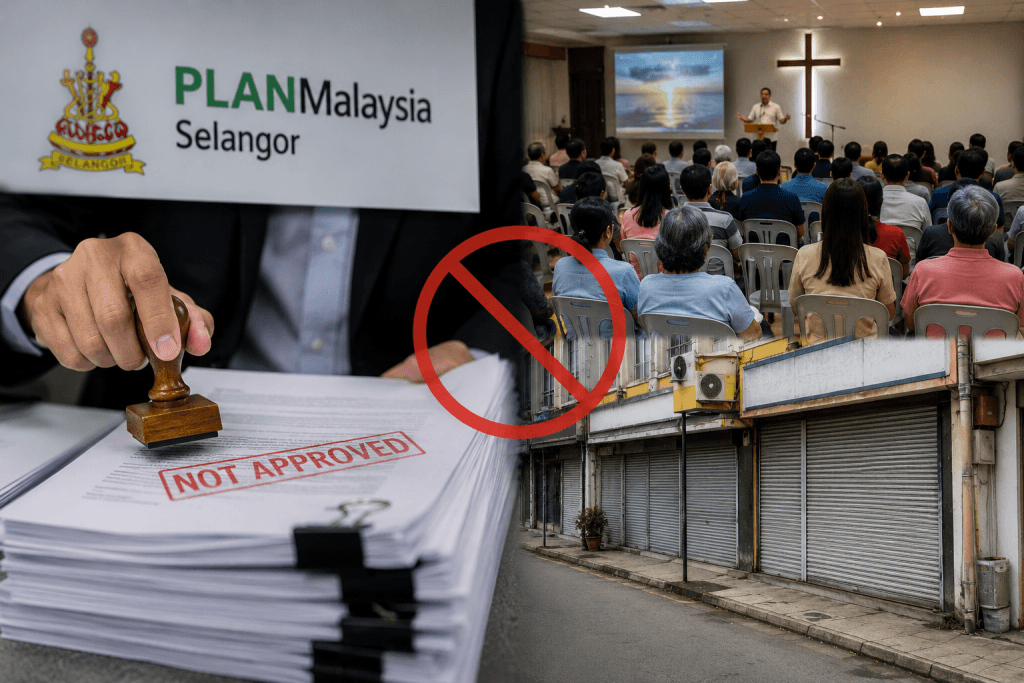
SHAH ALAM – Public outrage has erupted over a controversial state policy change in Selangor. Newly exposed town planning regulations place a strict ban on locating non-Muslim places of worship inside commercial zones. The framework explicitly blocks future religious organizations from buying or renting local commercial shoplots. It also completely stops the internal conversion of existing storefront retail properties into spaces for spiritual assembly.
Initial Public Backlash
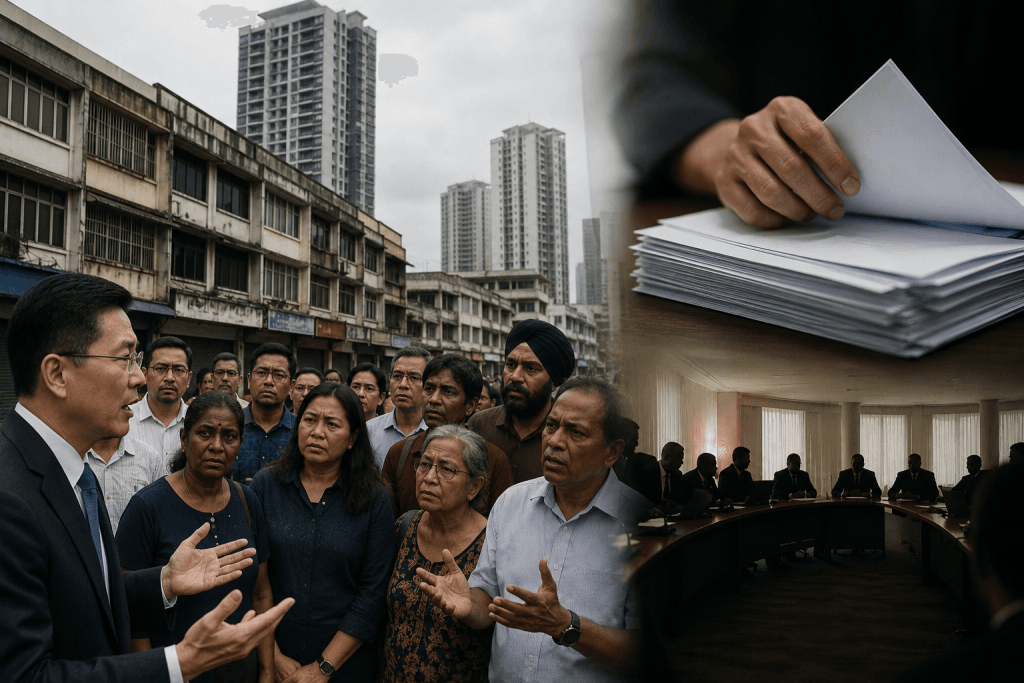
The sudden discovery of these administrative rules triggered immediate pushback from minority faith associations. Petaling Jaya Member of Parliament Lee Chean Chung raised sharp public concerns over the policy framework. Lee pointed out that a systemic shortage of gazetted institutional land leaves minor congregations with few choices. For over two decades, renting or purchasing suburban shophouses has been the primary workaround for thousands of urban communities.
The policy text was approved quietly during a State Executive Council meeting. The document sat completely unnoticed by the public for six months. Critics argue that introducing such sweeping changes without democratic consultation damages trust. For minor faith groups, commercial properties are the only practical spaces left to gather peacefully.
Bureaucratic Bans on Non-Muslim Places of Worship
State authorities initially defended the restrictions by citing local municipal town management concerns. A spokesperson from the Selangor Menteri Besar’s office claimed the commercial ban would curb weekend traffic congestion. Government representatives argued that new residential developments would instead feature dedicated, gazetted plots. However, local critics countered that commercial areas are mostly empty on weekends. Therefore, community congregations rarely interfere with weekday corporate commerce.
The state planning guidelines were administered directly by PLANMalaysia Selangor. This agency sets the physical town planning standards across the region. Minority groups note that getting approval for dedicated institutional land is incredibly difficult. Religious bodies often face endless mountains of bureaucratic red tape and zoning objections. Consequently, converting local commercial shoplots became the default path of least resistance for urban assemblies.
Urgent Dialogue Involving Non-Muslim Places of Worship
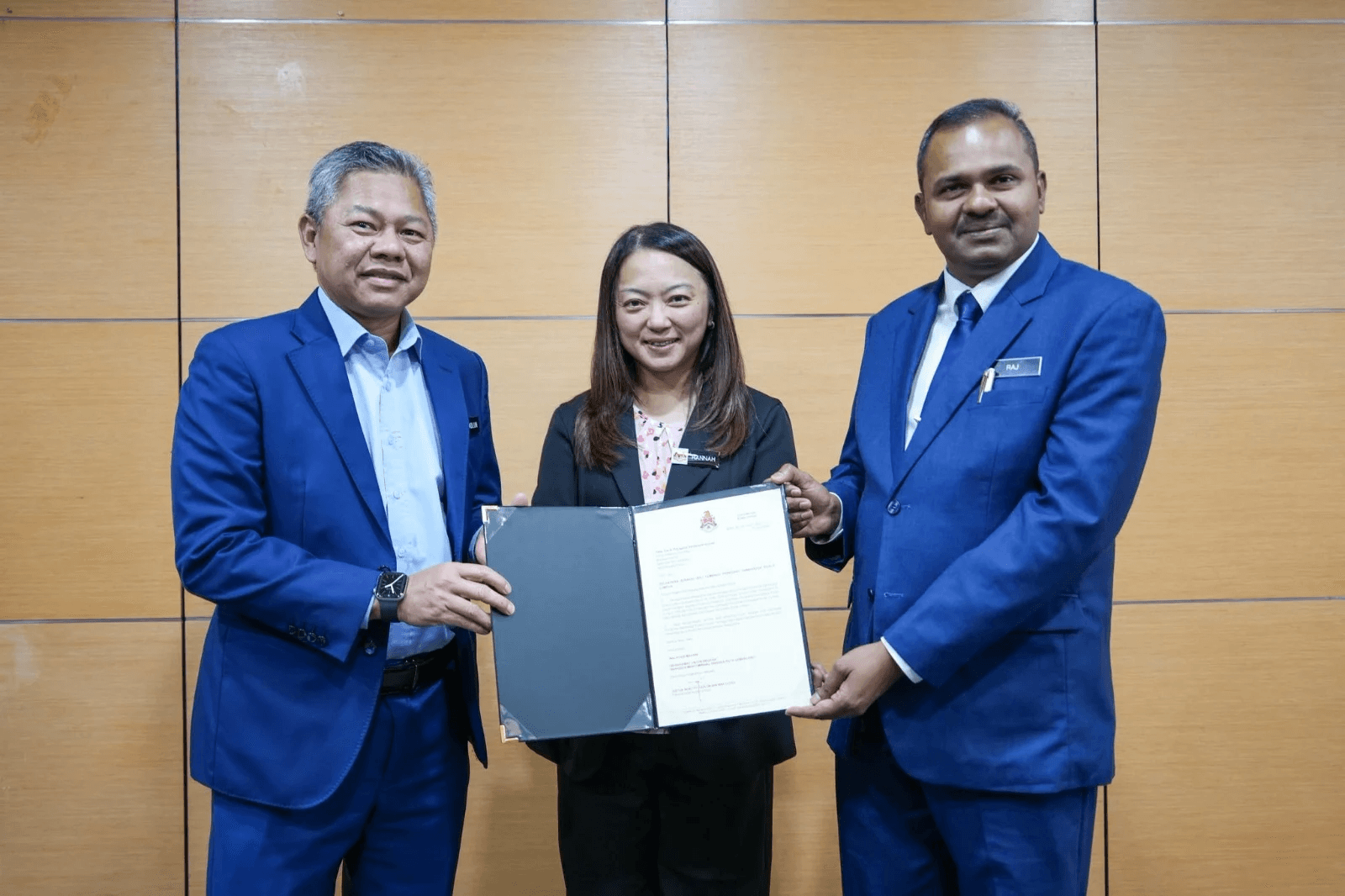
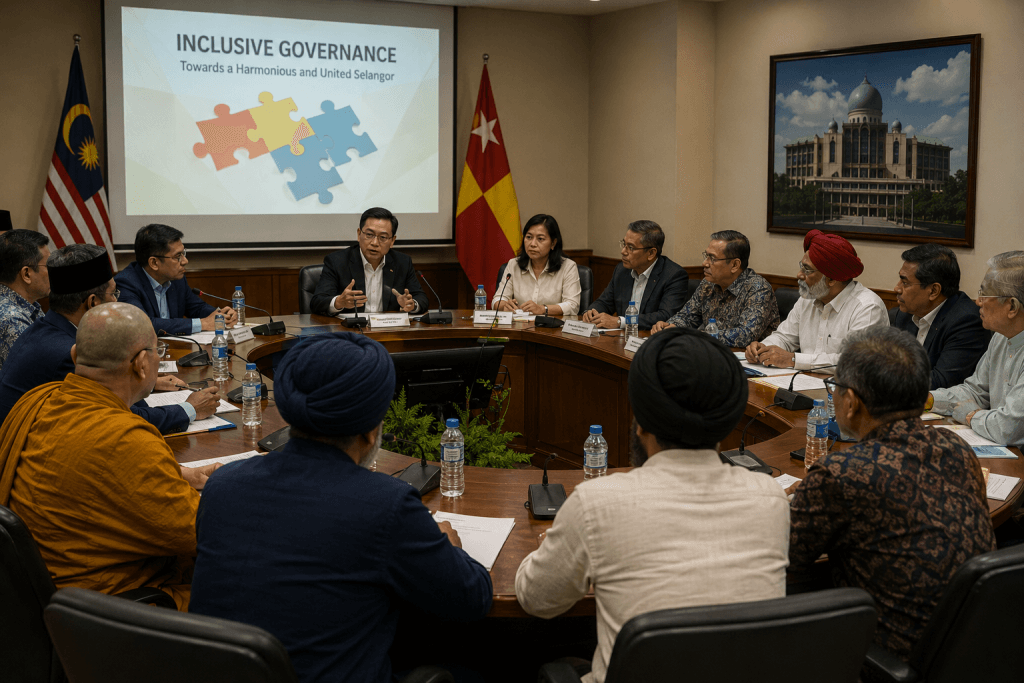
To de-escalate the growing political tension, Selangor State Executive Councillor Ng Sze Han announced an immediate freeze. Ng clarified that local councils will not take any retroactive enforcement action against existing sites. Following an urgent consultative meeting with major regional faith leaders, the state government offered a firm guarantee. They confirmed that existing shophouse temples and churches will remain completely unaffected. Moving forward, authorities have promised a comprehensive policy review to ensure local planning remains inclusive, balanced, and fair to all citizens.
A crucial dialogue took place involving the State Special Committee for Non-Islamic Affairs (LIMAS). Representatives from Buddhist, Christian, Hindu, Sikh, and Taoist associations met face-to-face with town planning officials. During this meeting, the state reiterated that the ban only impacts future developments. However, faith representatives walked away demanding a permanent legal amendment rather than temporary verbal promises.
Future Path Toward Inclusive Governance
The religious associations presented two formal requests to the state panel. First, they want commercial spaces to remain accessible for spiritual activities on a case-by-case basis. Second, they requested a significantly simplified application process for new organizations. The state government promised to study the feedback thoroughly before enforcing any updated rules.
Local experts emphasize that genuine religious harmony requires proactive urban planning. Town councils must actively map out communal land resources before implementing rigid zoning exclusions. Until a balanced legal compromise is reached, the state’s diverse faith groups are calling for the total withdrawal of the restrictive clauses.