





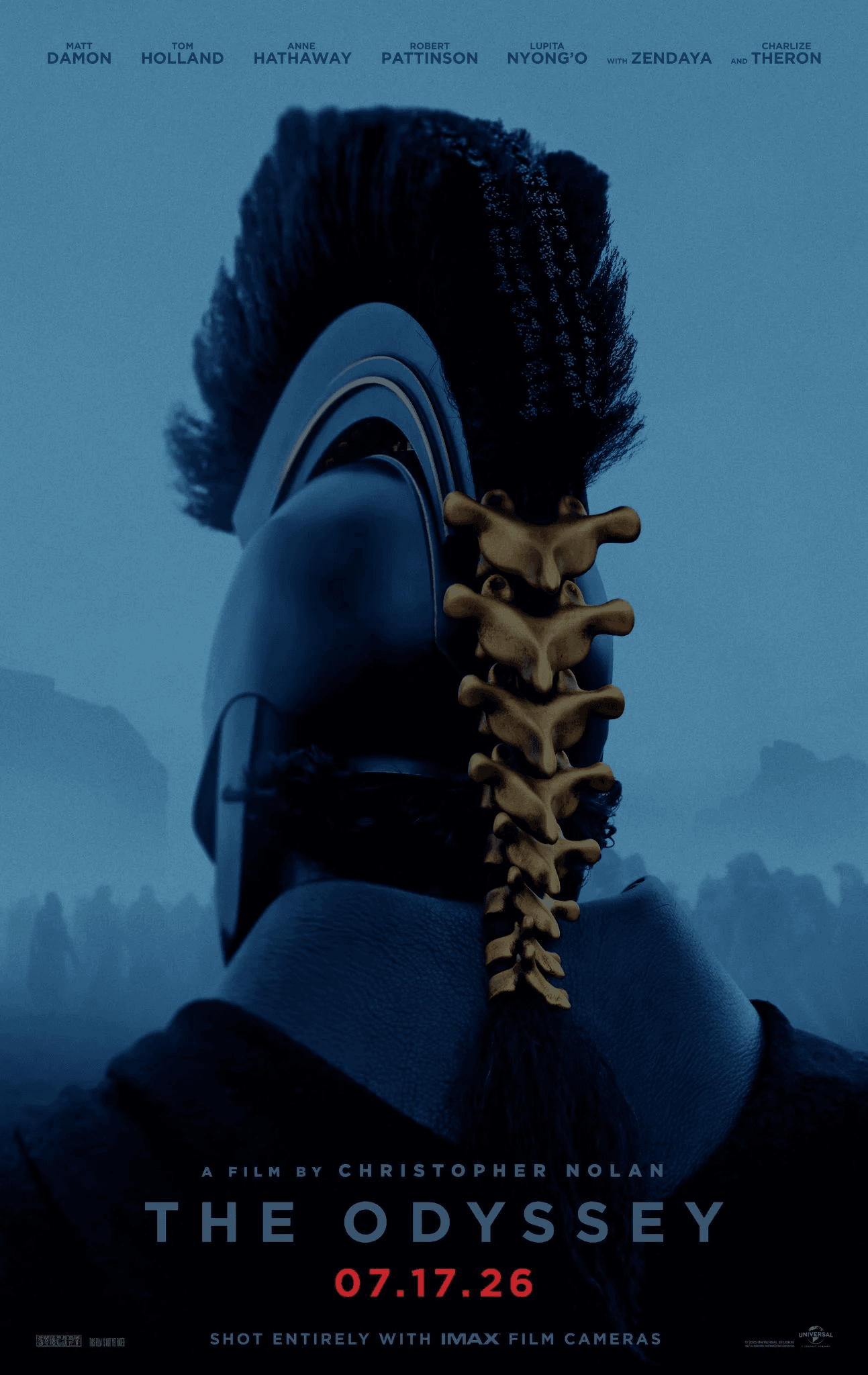
It is rare for a director’s name, rather than a headline star’s, to generate such intense anticipation. Yet Christopher Nolan’s cinematic adaptation of Homer’s ancient Greek epic The Odyssey proves that his visionary approach to large-scale storytelling remains unrivaled.
Running at 2 hours and 52 minutes, Nolan’s first feature since his Oscar-winning triumph Oppenheimer delivers a grand, emotionally grounded adventure that demands to be experienced on the biggest screen possible.
Storytelling and Non-Linear Structure
Rather than delivering a straightforward page-for-page adaptation, Nolan takes calculated creative liberties that breathe fresh energy into a well-known narrative. Eschewing traditional exposition, the film drops audiences directly into the middle of King Odysseus’s decade-long journey home following the fall of Troy.
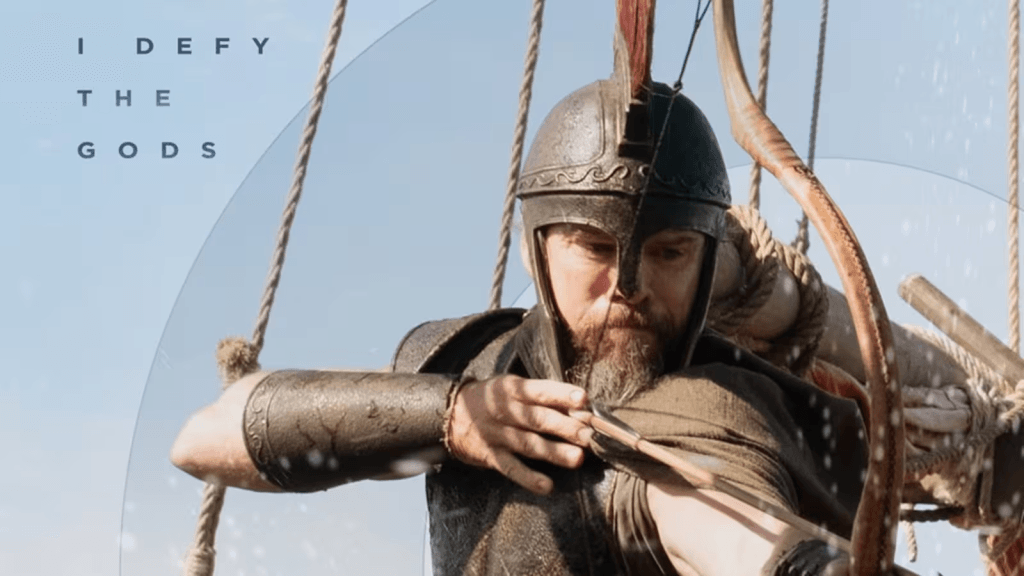
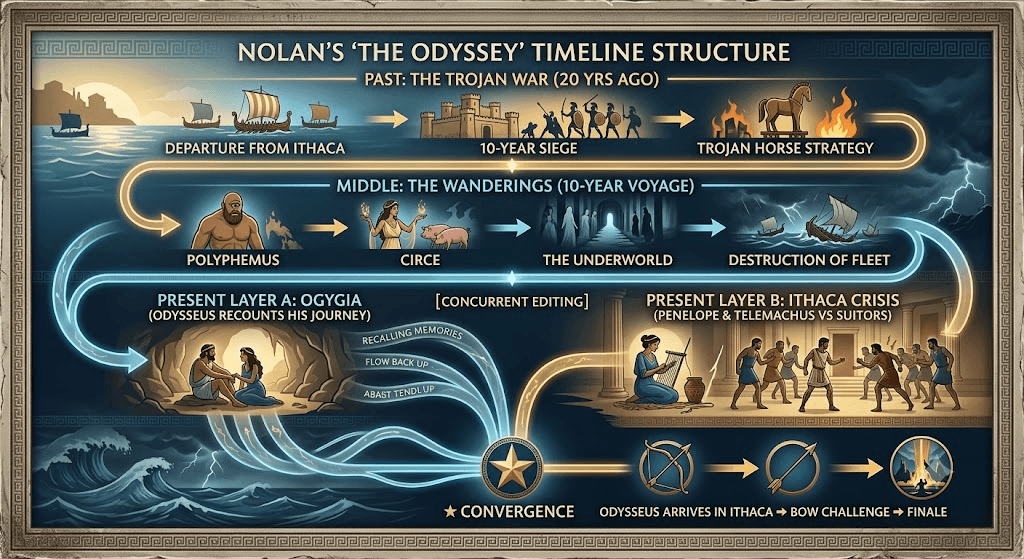
Nolan refines Homer’s ancient framing device into a signature multi-timeline system, operating across three interwoven temporal layers:
- The Present Anchor (Ogygia) – The film opens near the end of the voyage with an exhausted Odysseus (Matt Damon) stranded under the spell of Calypso (Charlize Theron). His recollections drive the film’s core flashbacks.
- The Concurrent Crisis (Ithaca) – Running parallel in real time, Queen Penelope (Anne Hathaway) and Prince Telemachus (Tom Holland) hold off predatory suitors led by Antinous (Robert Pattinson). Nolan cuts concurrently between Odysseus’s 10-year progress and the suitors’ weeks-long siege, creating a ticking-clock momentum.
- Multi-Tiered Flashbacks (War Trauma) – When diving into the past, the film explores the 10-year wanderings alongside deeply buried memories of the Trojan War. Similar to Oppenheimer, the Trojan Horse strategy is framed not as a glorious victory, but as an agonizing psychological memory that haunts Odysseus throughout his voyage.
Grounded Mythology and Performances
While Odysseus battles storms and mythical obstacles at sea, the emotional heart of the film rests in Ithaca. Queen Penelope (Anne Hathaway) and Prince Telemachus (Tom Holland) anchor the domestic storyline, defending their kingdom against ambitious suitors.
Nolan grounds ancient mythology with physical weight:
- Mythical Encounters – Creatures such as Polyphemus the Cyclops and Circe are depicted as intimidating physical threats rather than high-fantasy caricatures.
- The Sirens Sequence – An inventive sequence captures the hypnotic danger of the Sirens without ever playing their infamous song.
- Score & Scale – Ludwig Göransson’s score—driven by thunderous percussion—builds a relentless sense of urgency that complements the IMAX visual presentation.
Production & Cinematic Specifications
| Department | Key Creative / Detail | Cinematic Impact |
|---|---|---|
| Director & Screenplay | Christopher Nolan | Multi-timeline adaptation exploring trauma, duty, and resilience. |
| Cast | Damon, Hathaway, Holland, Pattinson, Zendaya | Ensemble performances bringing human depth to mythic archetypes. |
| Cinematography | Hoyte van Hoytema | Shot entirely on custom IMAX 70mm cameras for maximum immersion. |
| Audio & Score | Ludwig Göransson | Percussive arrangement that drives pacing through battle sequences. |
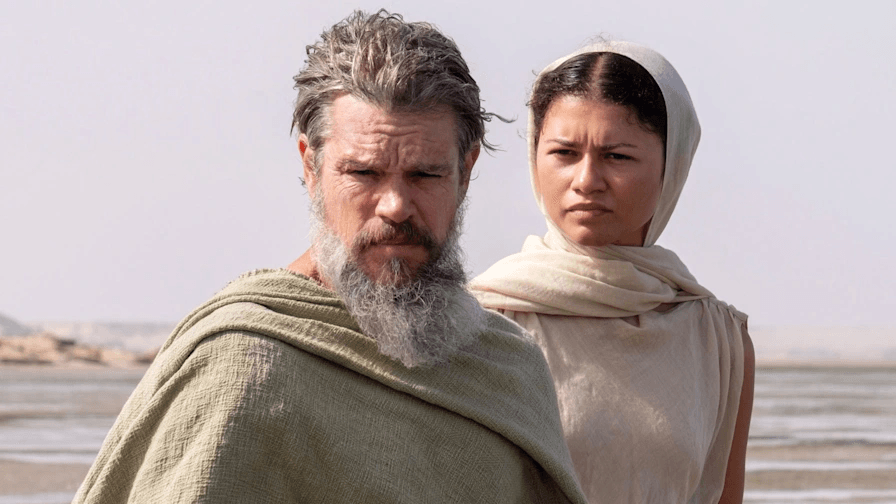
The Odyssey bridges grand-scale myth with human emotion. By treating Homer’s text as a visceral story of survival rather than a rigid historical piece, Nolan has delivered a cinematic event built for the theater.
Matt Damon discusses filming ‘The Odyssey’ with Christopher Nolan This interview with TODAY highlights Matt Damon’s preparation for his role as Odysseus, working under Christopher Nolan’s direction on IMAX cameras, and breaking a personal rule to join the cast.