




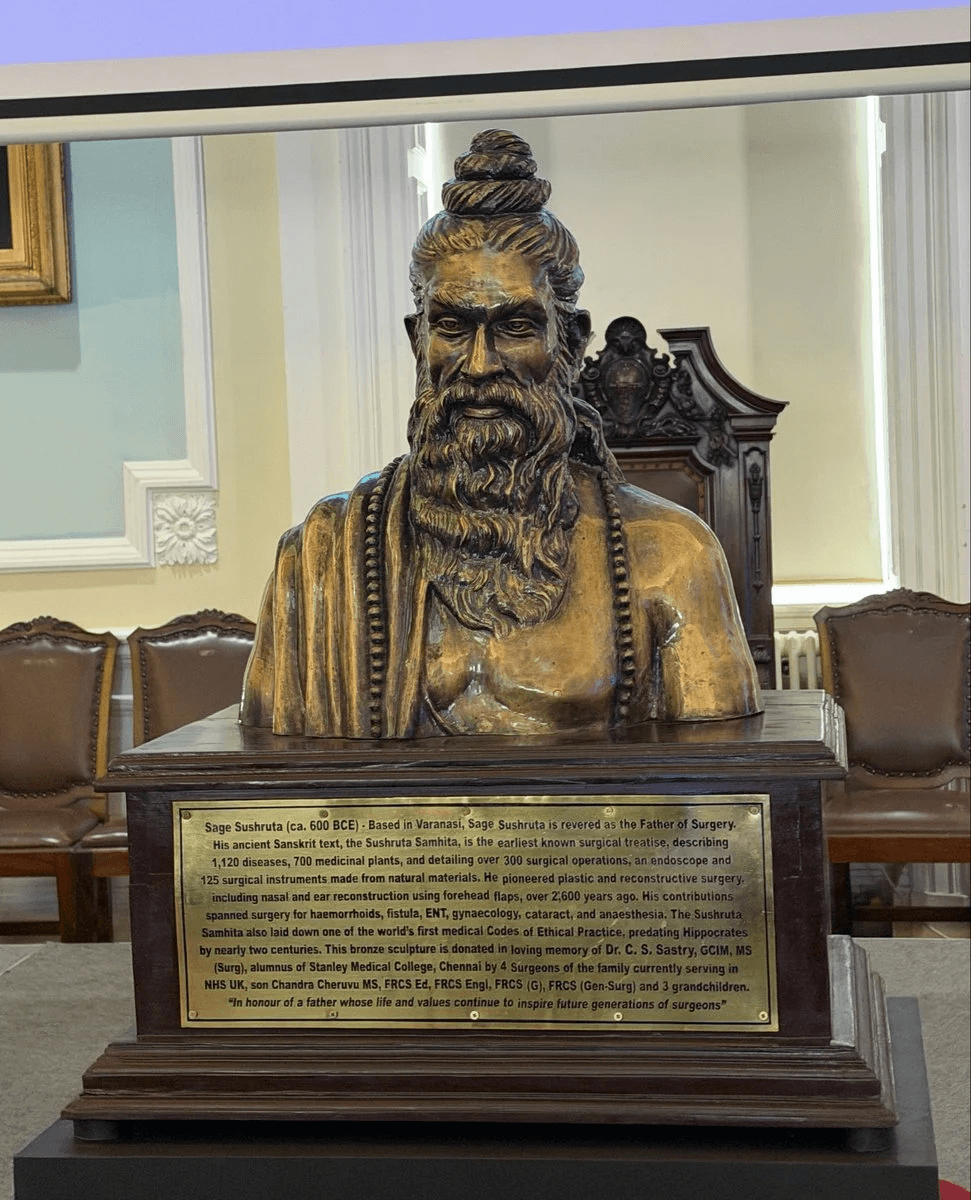
EDINBURG — One of the world’s oldest and most prestigious medical institutions has officially anchored India’s ancient medical heritage within its historic walls. The Royal College of Surgeons of Edinburgh has permanently unveiled a 90-kilogram bronze statue of Maharishi Sushruta, the legendary sixth-century BCE physician universally revered as the father of surgery.
The unveiling ceremony brought together international surgeons, academics, and diplomatic dignitaries. Positioned near the staircase leading directly to the iconic Playfair Hall, the monument serves a deeply symbolic purpose. Every single fellow receiving their surgical qualification will now walk past the likeness of the ancient pioneer. It creates a literal bridge between early medical roots and modern surgical excellence.
The monument itself carries a direct connection to the soil where the surgical pioneer once practiced. Rather than commissioning a Western likeness, the project organizers sourced the artwork from Swamimalai in Tamil Nadu. Master craftsman Raghavanantham Sthapathi led a specialized team of five assistants to forge the piece over two months. They utilized the region’s centuries-old lost-wax method, executing a flawless single bronze casting technique to preserve traditional Indian artistry. The entire installation weighs roughly 90 kilograms.
This global tribute was driven by a philanthropic initiative led by prominent UK-based gastrointestinal surgeon Professor Chandra Cheruvu and his family foundation. To turn the tribute into actionable modern care, the family simultaneously launched the Cheruvu Family Professional Development Grants. These new funds will explicitly support international training and educational pathways for developing medical professionals worldwide.
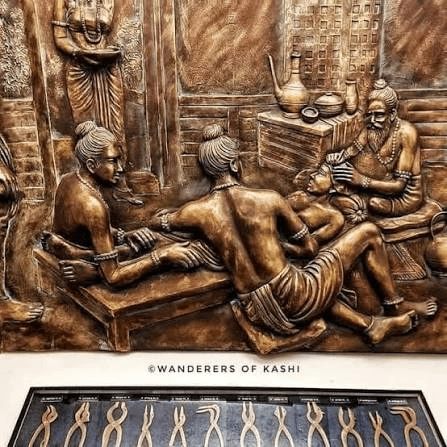
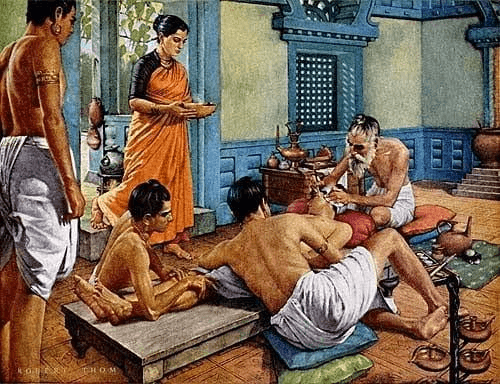
Living and teaching in ancient Kashi, modern-day Varanasi, Sushruta compiled the Sushruta Samhita, an extensive Sanskrit medical treatise. The ancient text documents over 1,120 specific diseases, 700 medicinal plants, and nearly 120 unique surgical instruments inspired by nature. His early writings established the baseline principles for complex modern procedures, including skin grafts and nasal reconstruction, long before similar techniques emerged in Western medicine.
The permanent residency of the statue within the heritage collection marks a broader shift in how global medical history is framed. Institutional leaders noted during the dedication that groundbreaking scientific innovation has never belonged exclusively to one region. Instead, modern life-saving medicine stands as the culmination of shared knowledge across diverse civilizations over thousands of years.