





PHNOM PENH, March 19– Cambodia is aggressively shifting its fuel procurement to Singapore and Malaysia to counteract supply “shortfalls” from traditional partners Vietnam and China. Energy Minister Keo Rottanak confirmed the strategic pivot on Wednesday, citing the global squeeze on fuel availability caused by the ongoing US-Israeli conflict with Iran.
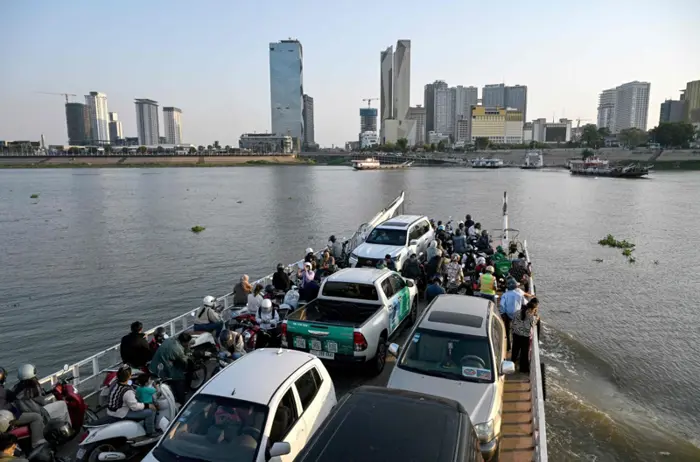
The instability saw nearly a third of Cambodia’s 6,300 petrol stations shutter briefly last week. While the majority have since reopened, approximately 5.77% remain closed as the nation of 18 million navigates volatile global prices and restricted export quotas from its neighbors.
Historically, Vietnam and Thailand accounted for over 60% of Cambodia’s petroleum imports. However, a ban on exports from Thailand following a 2025 border conflict, coupled with recent restrictions from Vietnam and China to protect their own domestic markets, has forced a rapid realignment of the supply chain. To mitigate these risks, Cambodia is leaning on its partnerships with global energy giants Total and Chevron. Minister Rottanak noted that while imports from China have dwindled, these international firms are successfully rerouting supplies from Singaporean and Malaysian hubs to maintain national stockpiles.
Despite having no domestic oil refinery and less than a month’s reserve of essential fuels like diesel and jet fuel, Cambodia has avoided a total energy collapse. Rottanak attributes this resilience to a “rapid buildout” of renewable energy sources, which has decoupled the nation’s electricity needs from Middle Eastern oil volatility. “Because of renewable energy, we are less susceptible to a 100% shock,” Rottanak stated. He emphasized that the current crisis serves as a stark reminder for the region to expedite the ASEAN Power Grid, an interconnected system designed to share energy resources and enhance collective resilience across Southeast Asia.
Data from Kpler indicates that gasoline and diesel inflows from Singapore and Malaysia during the first 18 days of March were 25% higher than the previous year. While these levels are currently 40% lower than the peak seen in late February, the Ministry maintains that current stockpiles are sufficient to meet immediate national demand.