







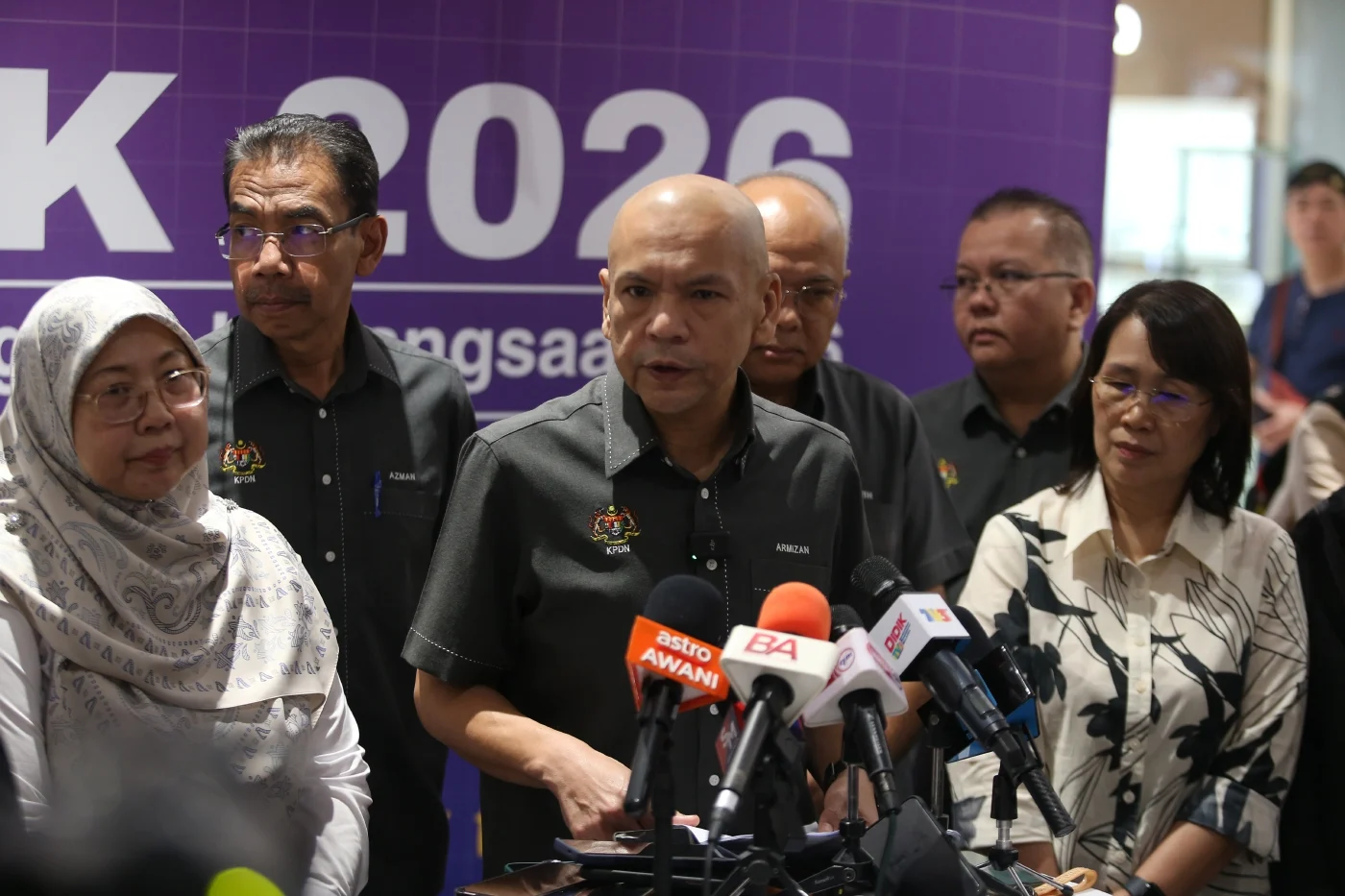
KUALA LUMPUR, March 17- In a historic move to strengthen consumer rights, Malaysia is set to overhaul its credit landscape with the enforcement of the Hire Purchase (Amendment) Act 2026 starting June 1.
Announced by Domestic Trade and Cost of Living Minister Datuk Armizan Mohd Ali during the National Consumer Day 2026 celebration, the reform effectively ends the “Rule of 78” interest calculation method. This practice, long criticized for front-loading interest payments, often left borrowers with high outstanding balances even after years of installments.
The most significant change is the mandatory shift to the Reducing Balance Method and Effective Interest Rate (EIR) for all fixed-rate hire purchase loans. This covers a wide array of consumer goods, including motor vehicles, motorcycles, and household appliances like refrigerators and air conditioners. Under the new method, interest is calculated only on the actual outstanding principal. For consumers, this means that early loan settlements will result in transparent and substantial savings, as the rebate will finally reflect the actual cost of the loan.
Supporting the nation’s digital transformation agenda, the Act now legally recognizes digital signatures and electronic document submissions.
- Remote Agreements: Consumers can now execute legally binding contracts for new cars or appliances without visiting a dealership or signing physical paperwork.
- Electronic Notices: Financiers can serve critical legal notices, such as repossession warnings, via secure digital channels like email.
- Identity Verification: To mitigate the increased risk of digital fraud, the amendment introduces mandatory due diligence and identity verification for all borrowers.
To ensure fairness for those still tied to older financing structures, Datuk Armizan confirmed that banking institutions will offer a “goodwill discount” for early settlements under the old flat-rate system. This adjustment aims to bring the outstanding balances of existing customers in line with the more equitable outcomes of the 2026 amendments. Despite these high-tech updates, the government has preserved the “one-third rule.” Once a consumer has paid 33% of the total price, the financier is strictly prohibited from repossessing the goods without a court order.
Officiated by Prime Minister Datuk Seri Anwar Ibrahim, the reform is viewed as a cornerstone of the 2026 legal reform agenda. “This situation previously caused borrowers to bear a high outstanding balance that did not reflect the actual cost of the loan,” Armizan told reporters. “These updates are part of our broader mission to protect consumer rights in an increasingly digital economy.”
Financial institutions are expected to use the current transition period to update their systems, while those already prepared may begin offering agreements under the new framework immediately upon enforcement.