






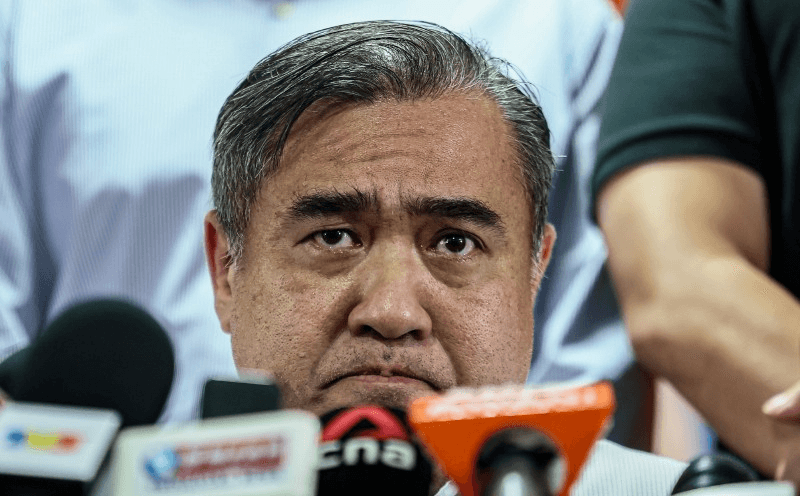
PETALING JAYA — DAP secretary-general Loke Siew Fook’s defeat in the Chennah state seat during the Negeri Sembilan state election has placed the party’s long-standing practice of fielding senior leaders in concurrent parliamentary and state roles under intense scrutiny.
Loke, a three-term Seremban Member of Parliament and federal Transport Minister, lost the Chennah seat to Barisan Nasional (MCA) candidate Siow Kong Choon by a margin of 688 votes. The loss ended his three-term tenure as Chennah assemblyman and triggered his decision to step down as Negeri Sembilan DAP chairman after the party surrendered two state seats, including Repah.
The election outcome—occurring amid complex electoral dynamics between federal Unity Government allies—has prompted political analysts to question whether fielding national heavyweights at both federal and state levels remains an effective electoral strategy for incumbent government parties.
Voter Fatigue and the Limits of Heavyweight Appeal
Asrul Sani, associate vice-president at political consultancy The Asia Group, noted that the electoral landscape has shifted significantly since the 2018 general election, when opposition excitement generated strong support for national figures.
“Seniority and national prominence no longer deliver the same electoral advantage,” Asrul said. “Instead, it may expose candidates to criticism that they are taking on too much, making them insufficiently focused on local concerns.”
Asrul acknowledged that dual candidacies historically offered tactical benefits—allowing high-profile leaders to anchor state campaigns and link municipal issues to federal resources. However, he warned that under an incumbent Pakatan Harapan administration, voter fatigue and heightened expectations can turn dual-hatting into a political vulnerability.
He added that concentrating electoral weight on a small pool of senior figures creates systemic risk: when a high-profile leader loses, the party forfeits both a legislative seat and a key campaign anchor.
Succession Bottlenecks and Local Representation
Separately, Oh Ei Sun, principal adviser at the Pacific Research Centre of Malaysia, highlighted the structural impact of dual-role candidacies on internal leadership development and succession planning.
While acknowledging that political parties naturally deploy their most recognizable figures to maximize winnability, Oh argued that senior parliamentarians should progressively relinquish state seats to create pathways for emerging talent.
“The idea is to develop more future leaders,” Oh explained, adding that managing dual responsibilities across non-overlapping constituencies presents significant operational demands.
Oh recommended that separating parliamentary and state roles become the default standard, encouraging parties to build broader local leadership bases while allowing ministers and MPs to focus on federal governance.