





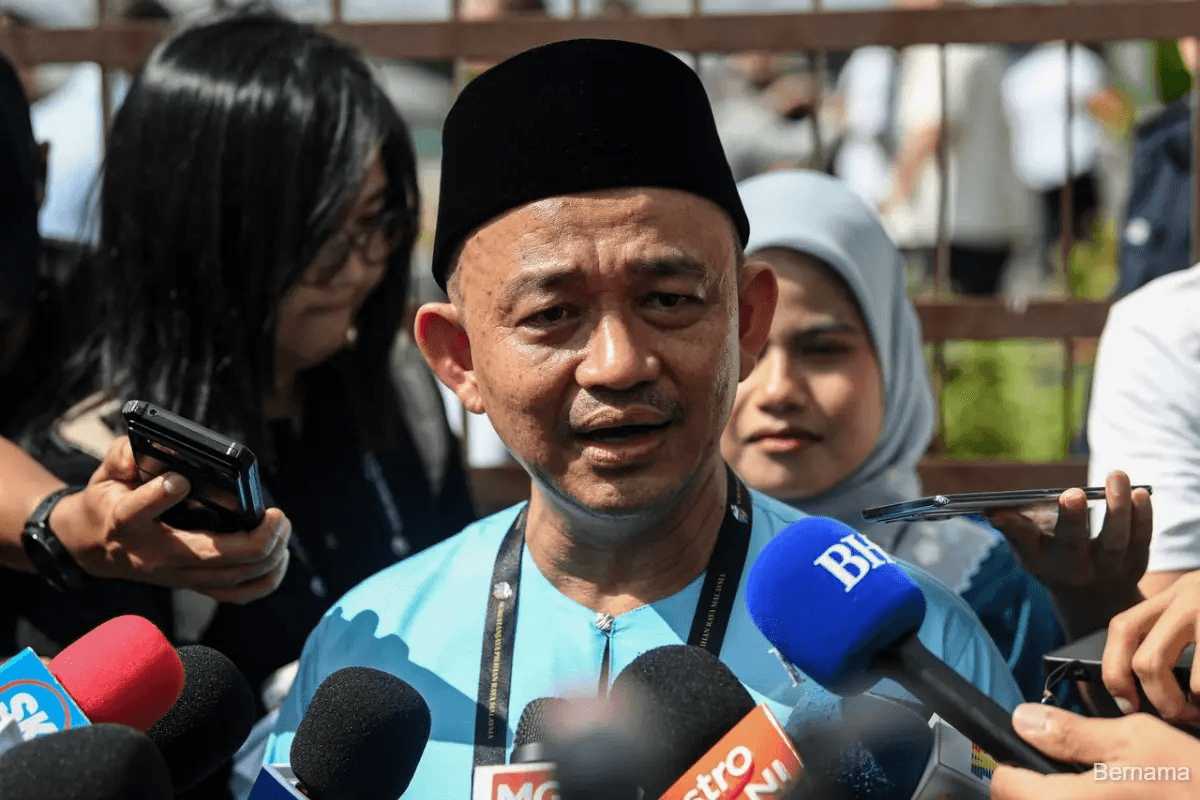
JOHOR BAHRU — Pakatan Harapan (PH) candidate for Puteri Wangsa, Dr Maszlee Malik, has announced plans to launch a dedicated mobile application designed to overhaul how residents report local infrastructure issues and municipal grievances. The headline operational objective focuses entirely on leveraging modern civic tech to optimize daily constituent services.
According to the former education minister, a sophisticated, data-driven system is necessary to effectively manage the large geographical footprint and socio-economic variance defining the constituency.
| Constituency Profile: Puteri Wangsa | Demographics Served by Digital Push |
|---|---|
| Geographic Variance | Spans from affluent suburbs (Austin Heights) to rural landscapes (Felda Ulu Tebrau). |
| Vulnerable Targets | Designed to identify overlooked single mothers and persons with disabilities (PWDs). |
| Outreach Demographics | Tailored for Gen Z, working professionals, and cross-border commuters. |
Bypassing Bureaucratic Hurdles
A central priority of the planned platform is addressing systemic welfare gaps. Vulnerable segments of the population frequently miss out on critical federal and state aid due to strict informational and administrative barriers. By establishing a direct digital pipeline, the app aims to bring visibility to families left out of traditional assistance frameworks.
The operational blueprint derives structural inspiration from international civic tech frameworks.
“There is much I can learn from Zohran Mamdani. He engages directly with the community and uses dedicated apps, in addition to social media, to enable residents to raise their concerns,” Maszlee stated in an exclusive interview detailing his campaign strategy.
The candidate clarified that the mobile application will not replace traditional representation. Instead, it will run alongside in-person town halls, ongoing collaborations with non-governmental organisations (NGOs), and direct consultations with local residents’ associations.
Navigating the Digital Campaign Trail
As the election timeline shortens, the PH machinery is aggressively executing localized social media strategies. The approach focuses on reaching demographics less accessible via conventional physical walkabouts, particularly young voters and Malaysian professionals commuting daily to Singapore.
However, the campaign team acknowledged the limits of digital outreach, pointing out that shifting platform algorithms and echo chambers can easily throttle the organic reach of political messaging. To counter this, content streams are being strictly partitioned by locality, ethnicity, and socio-economic status to ensure relevant messaging hits the right voting blocks.
The stakes remain high for the Puteri Wangsa state seat, which features a competitive five-cornered contest. Maszlee faces challenges from Rashifa Aljunied of the Malaysian United Democratic Alliance (MUDA), Teow Chia Ling representing Barisan Nasional (BN), Nicholas Paul Vincent of Parti Bersama Malaysia, and independent contender Wang Wee Siong. Polling for the Johor state election will take place on July 11, with early voting commencing on July 7.