



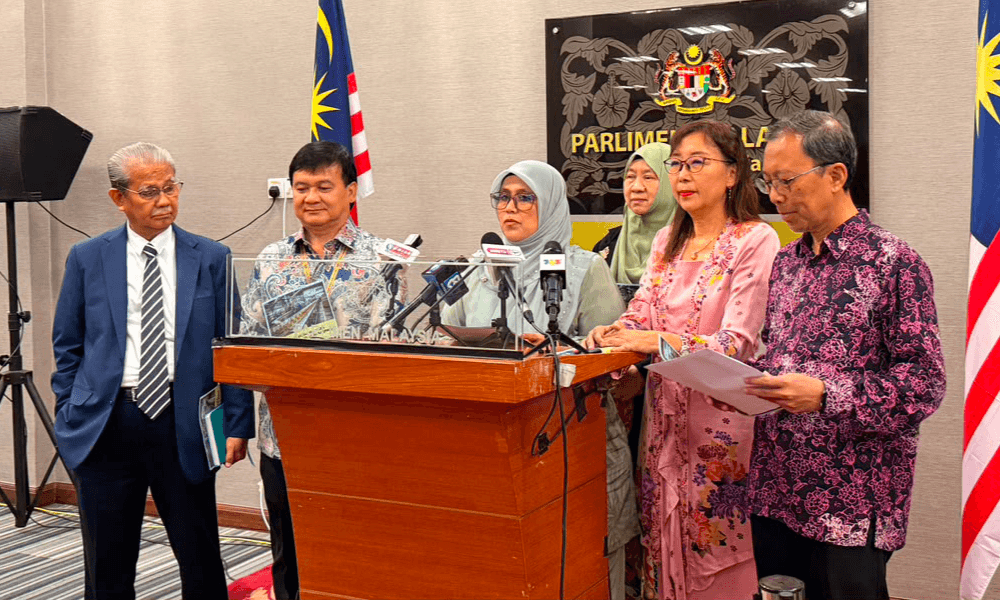
KUALA LUMPUR — Pressure is mounting on the government to overhaul Malaysia’s cooking oil subsidy scheme after a Public Accounts Committee (PAC) report revealed that more than RM5 billion in public funds may have been lost to commercial abuse and non-citizens.
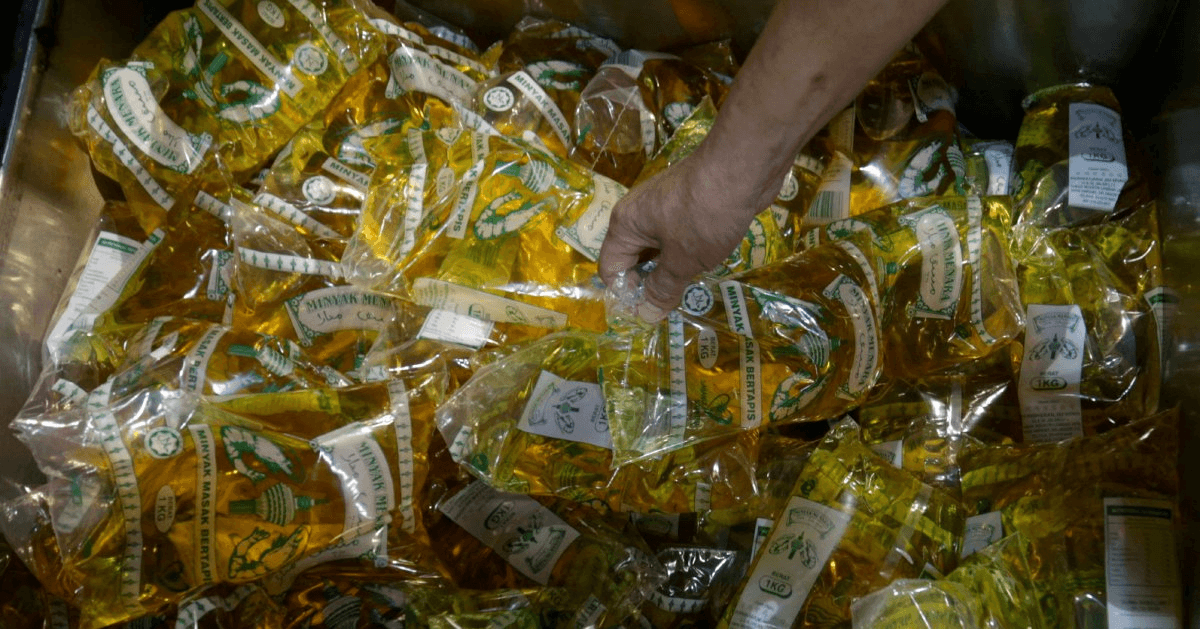
Between 2019 and February 2025, Putrajaya spent RM10.879 billion to subsidize 1kg polybag cooking oil. However, the PAC uncovered a critical flaw in the Cooking Oil Price Stabilisation Scheme (COSS): the monthly subsidized quota is capped at 60,000 tonnes, despite actual national consumer demand reaching only 19,000 to 30,000 tonnes.
The vast gap between allocated quotas and real household demand highlights severe structural leakage driven by weak retail enforcement, commercial misuse, and poor management of damaged stock.
Digital Systems Offer Immediate Remedy
While the Ministry of Domestic Trade and Cost of Living (KPDN) deployed the eCOSS tracking system in 2023 and enforced MyKad verification for 1kg purchases on March 1, retail-level leakage persists.
Writing in its weekly column Frankly Speaking, financial publication The Edge Malaysia argued that Putrajaya already possesses a proven mechanism to end the multi-billion-ringgit drain: expanding the Budi95 and Sara digital framework.
The Budi95 platform has already demonstrated that fuel subsidies and cash aid can be tracked and targeted at scale nationwide using MyKad verification. Finance Minister II Datuk Seri Amir Hamzah Azizan previously noted the platform’s potential for broader subsidy distribution.
With billions in public funds diverted from critical infrastructure, healthcare, and education, experts and market observers urge the government to swiftly digitalize cooking oil distribution to plug the fiscal drain.