





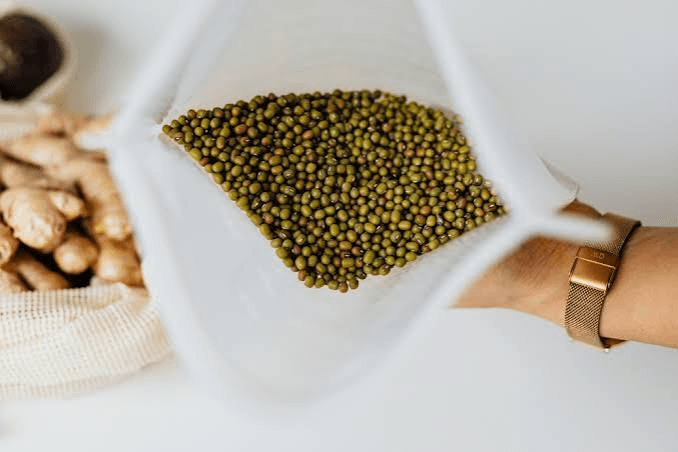
Amid a sharp rise in non-communicable metabolic disorders across developing economies, a notable breakthrough in green pharmacology has emerged from Southeast Asia.
Scientists at the Vietnam Academy of Science and Technology (VAST) have successfully engineered a process that converts discarded mung bean (Vigna radiata) husks into nanovitexin—a high-bioavailability compound showing significant potential for blood glucose management.
Published by the academy’s Institute of Biology, the research marks a critical milestone in both nanomedicine and the circular economy. It demonstrates how low-value agricultural waste can be systematically upcycled into high-value pharmaceutical raw materials.
Overcoming the Bioavailability Barrier
The therapeutic value of the mung bean husk centers on vitexin, a naturally occurring flavonoid with established antioxidant and anti-diabetic properties. Clinical interest in vitexin stems from its ability to regulate metabolic pathways and inhibit starch-degrading enzymes.
However, its medical application has historically been restricted by severe physical limitations. It is highly hydrophobic (water-insoluble), suffers from extremely low absorption rates in the small intestine (roughly 5%), and breaks down prematurely within the volatile acidic environment of the stomach.
To bypass these physiological barriers, a research team led by Dr. Ngo Thi Hoai Thu applied a specialized nano-drug delivery framework. By encapsulating the extracted vitexin within a natural biopolymer matrix composed of Alginate and Carboxymethyl cellulose (CMC), the team dramatically altered the compound’s physical behavior.
| Pharmacological Parameter | Conventional Vitexin Extract | Nanovitexin (VAST Formulation) |
| Water Solubility | Extremely poor (hydrophobic) | Highly soluble |
| Particle Size | Macroscopic | 50–70 nanometers |
| Gastrointestinal Stability | Low; degrades prematurely in stomach acid | High; protected by swelling Alginate/CMC matrix |
| Cellular Absorption | ~5% intestinal uptake | Superior sustained release and tissue permeability |
This structural alteration yields two immediate therapeutic advantages. First, the ultra-small particle dimensions exponentially increase cellular uptake. Second, the swelling properties of the Alginate/CMC polymer shield ensure a controlled, gradual release of the active compound, preventing premature degradation in the gut.
Dual-Action Enzymatic Inhibition
From a clinical perspective, nanovitexin’s primary efficacy lies in its direct interaction with the human digestive tract. The nano-formulation achieves blood sugar control by successfully inhibiting two primary carbohydrate-hydrolyzing enzymes, $\alpha$-glucosidase and $\alpha$-amylase
By suppressing these specific enzymes, the compound significantly delays the breakdown of dietary starches into simple glucose, thereby flattening postprandial (post-meal) blood sugar spikes.
Importantly, because this mechanism mimics natural carbohydrate regulation, it holds the potential to manage hyperglycemia without causing the severe gastrointestinal side effects—such as flatulence, diarrhea, and abdominal cramping—frequently associated with conventional allopathic diabetes medications like acarbose. Beyond glycemic control, preclinical evaluations indicate that nanovitexin exhibits potent free-radical scavenging capabilities, shielding vulnerable pancreatic and vascular cells from diabetes-induced oxidative stress.
A Template for Emerging Markets
The broader implications of VAST’s research extend far beyond the laboratory. According to recent public health data, an estimated 589 million adults worldwide are currently living with diabetes, with the vast majority residing in low- and middle-income nations where the financial burden of lifelong pharmaceutical intervention is immense.
Concurrently, rapidly industrializing agrarian economies face substantial challenges regarding agricultural by-product management. Mung beans are an absolute staple crop across South and Southeast Asia, cultivated heavily for their protein and starch components while thousands of tonnes of fiber-rich husks are discarded annually as industrial waste.
By granting Patent No. 45556 for this Alginate/CMC preparation method, the Intellectual Property Office of Vietnam has validated a highly replicable model. Scaling this technology to a pilot-production level offers a clear blueprint for neighboring countries reducing dependency on imported synthetic pharmaceutical ingredients by utilizing local, sustainable, and indigenous agricultural waste streams.