







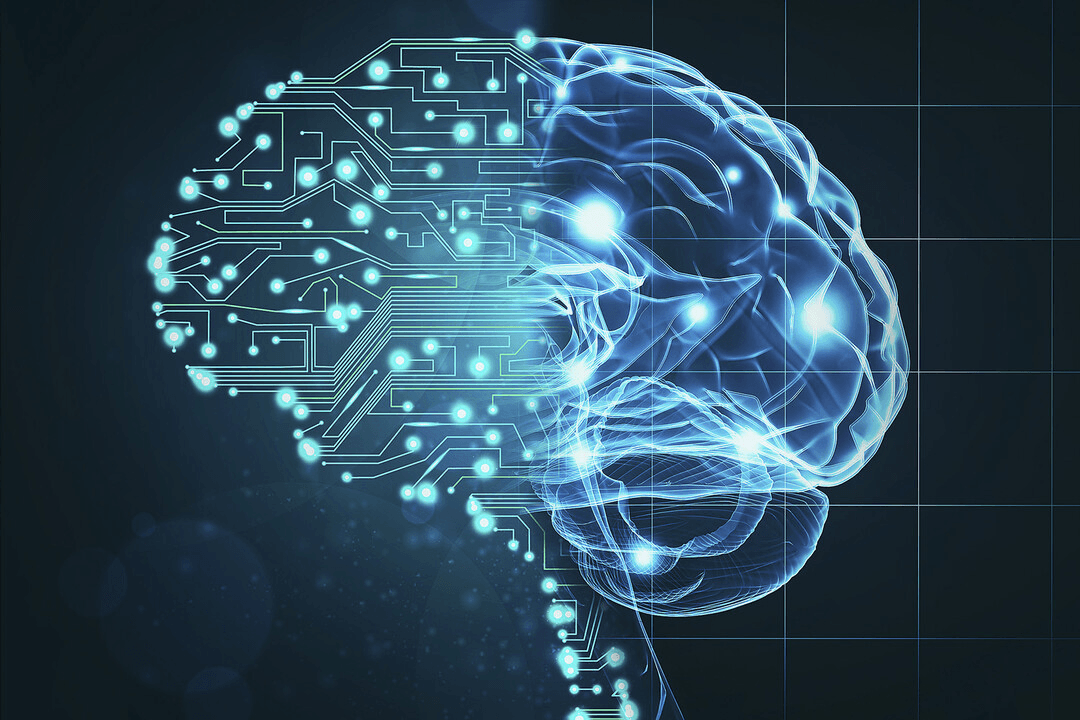
Neurologists observe that the rapid adoption of mainstream generative tools like ChatGPT, Claude, and Gemini is subtly altering human habits. As more people outsource routine writing tasks, daily scheduling, and basic thinking to digital platforms, the human brain’s natural problem-solving and decision-making capabilities are starting to slow down.
Weakened Neural Connections and Long Term Risks
Medical specialists point out that the brain operates much like a muscle that requires regular stimulation to stay healthy. When people stop engaging in active mental exercises like complex calculations and creative writing, the structural neural connections within the brain begin to weaken.
This reduction in regular mental engagement significantly increases the likelihood of suffering from premature memory failure. Neurologists emphasize that preserving these intricate neural pathways through active, independent thought is crucial for long-term health.
Protecting the Minds of the Younger Generation
The rising trend of technological dependency poses a particularly severe threat to the younger generation. There is a growing concern among researchers that young adults are completely abandoning independent critical thinking in favour of quick digital solutions, which might permanently compromise their cognitive development.
Analysts stress that artificial intelligence is meant to serve as a convenient assistant rather than a permanent substitute for human intellect. To prevent widespread cognitive decline, researchers strongly advise the public to practice strict self-control and conscious moderation whenever they interact with modern technology.