





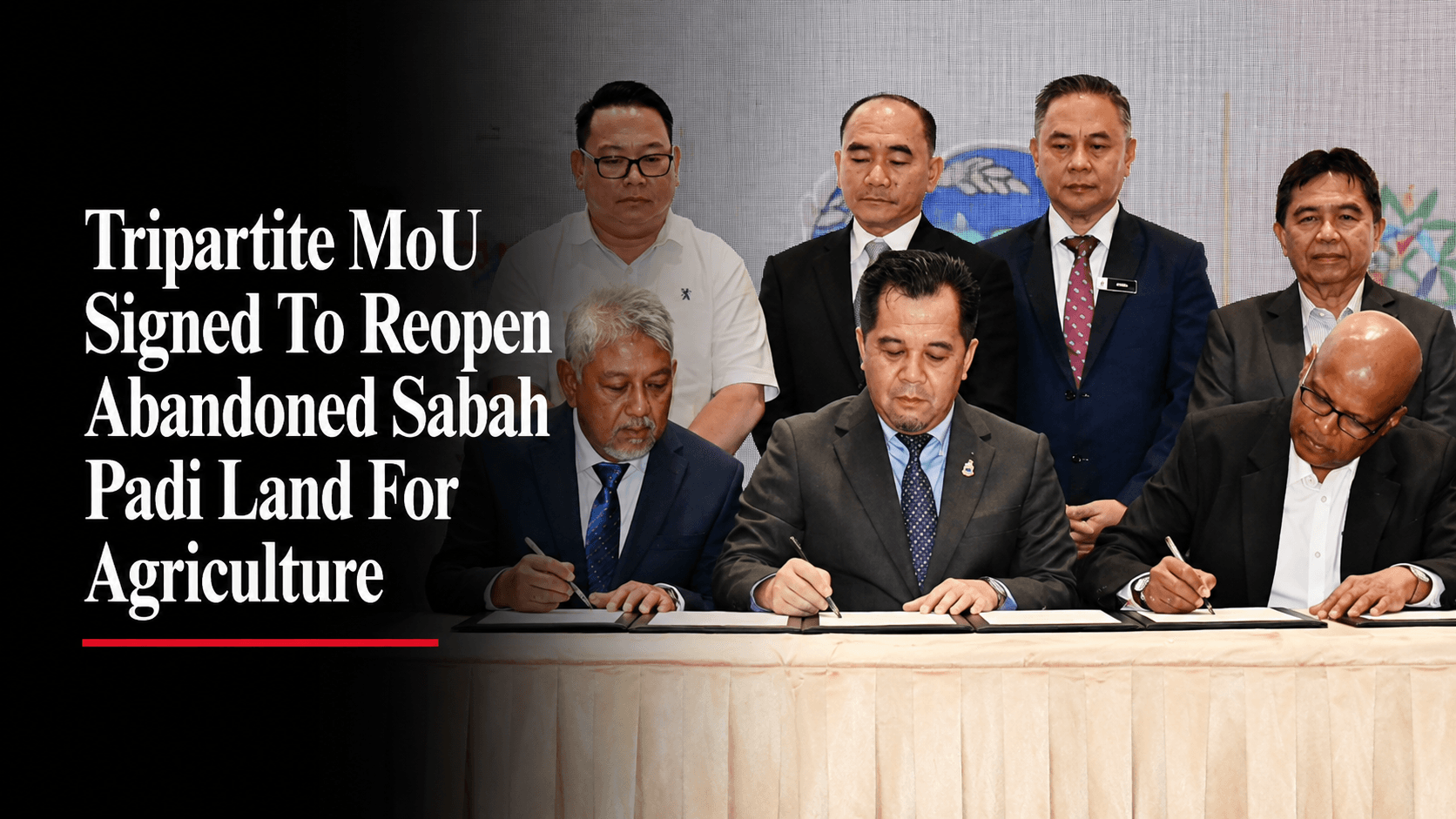
KOTA KINABALU, August 21 – The Sabah state government has signed a major agricultural deal to re-cultivate 1,000 hectares of abandoned Sabah padi land in the Kota Marudu district. Consequently, local state agencies plan to boost domestic grain production and stabilize food security frameworks across the region.
Tripartite Agreement Targets Abandoned Sabah Padi Land
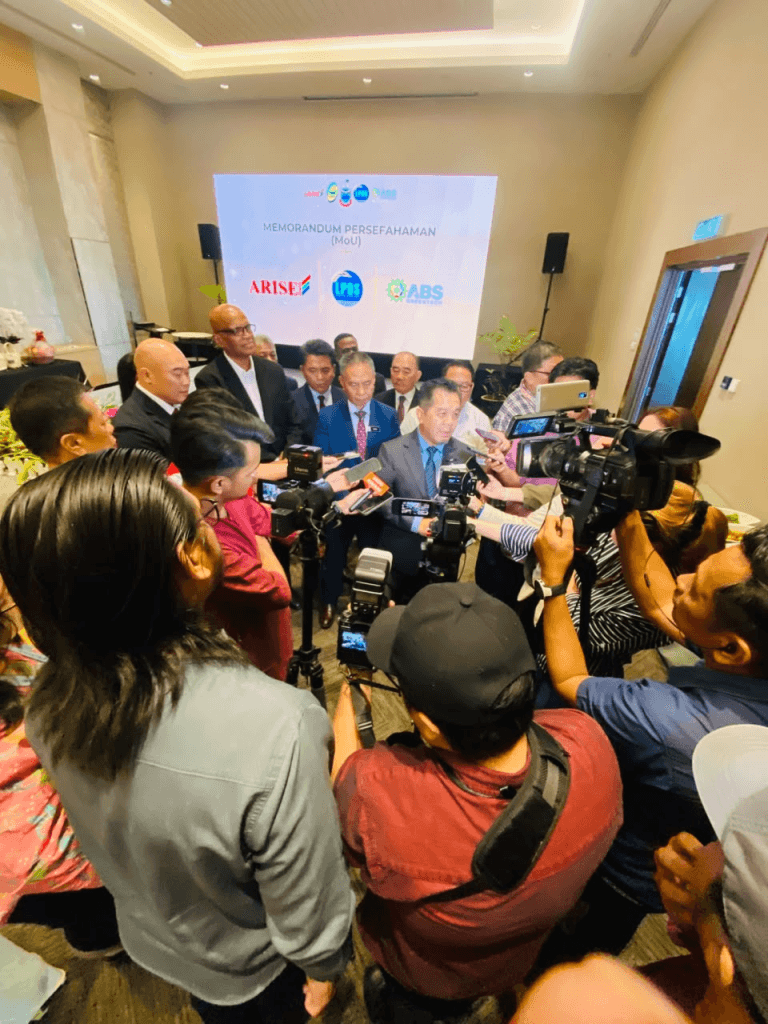
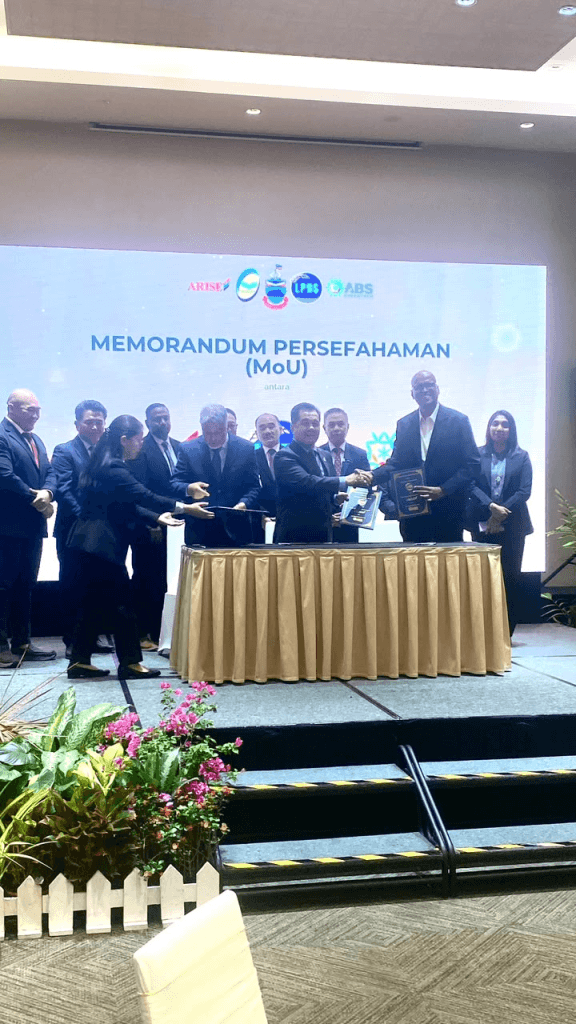
The initiative operates under a formal Memorandum of Understanding (MoU) signed on Friday. The agreement connects three key organizations: the Sabah Padi and Rice Board (LPBS), Arise Consulting (Sabah) Sdn Bhd, and ABS Greentech Sdn Bhd.
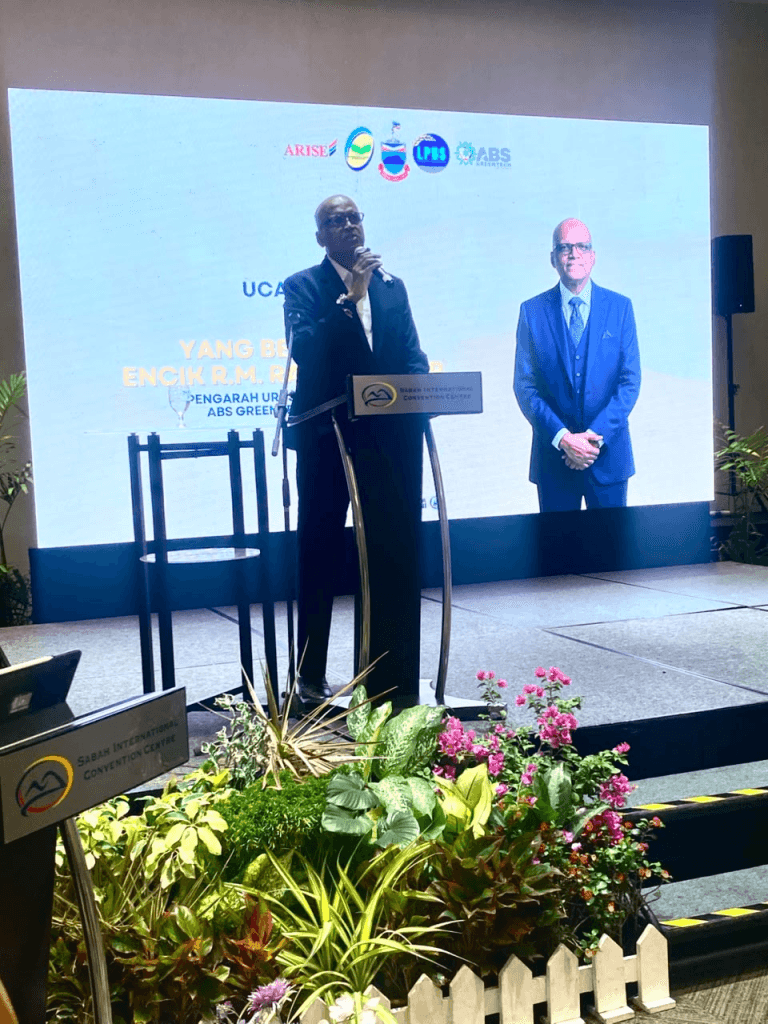
LPBS Chairman Datuk Jamawi Jaafar explained that private companies will rent unused fields directly from local landowners. The commercial firms will then partner with rural farmers to deploy modern planting equipment. Therefore, the state transforms unmanaged fields back into highly productive agricultural zones.
Modern Technology Boosts Rice Output Goals
Furthermore, private technical teams will introduce modern agricultural solutions tested in Penang. These tools include automated irrigation networks, high-yield seeds, and smart field monitoring systems.
The state government aims to raise Sabah’s Rice Self-Sufficiency Level (SSL) to at least 30% by the year 2030. Current figures show the state relies heavily on foreign grain imports to meet daily consumer demands. By deploying advanced machinery on abandoned Sabah padi land, agricultural planners expect local harvests to increase significantly over the next two years.
Expanding Project Layout Across Sabah Padi Land Zones
Meanwhile, state officials confirmed that Kota Marudu serves as the launching pad for a broader regional overhaul. The Ministry of Agriculture and Food Industry plans to expand this leasing framework to four additional key districts.
The state will soon target abandoned Sabah padi land located in Kota Belud, Keningau, Ranau, and Papar. Ultimately, these combined commercial ventures will secure higher income streams for rural landowners while creating technical agricultural jobs for local youths.