





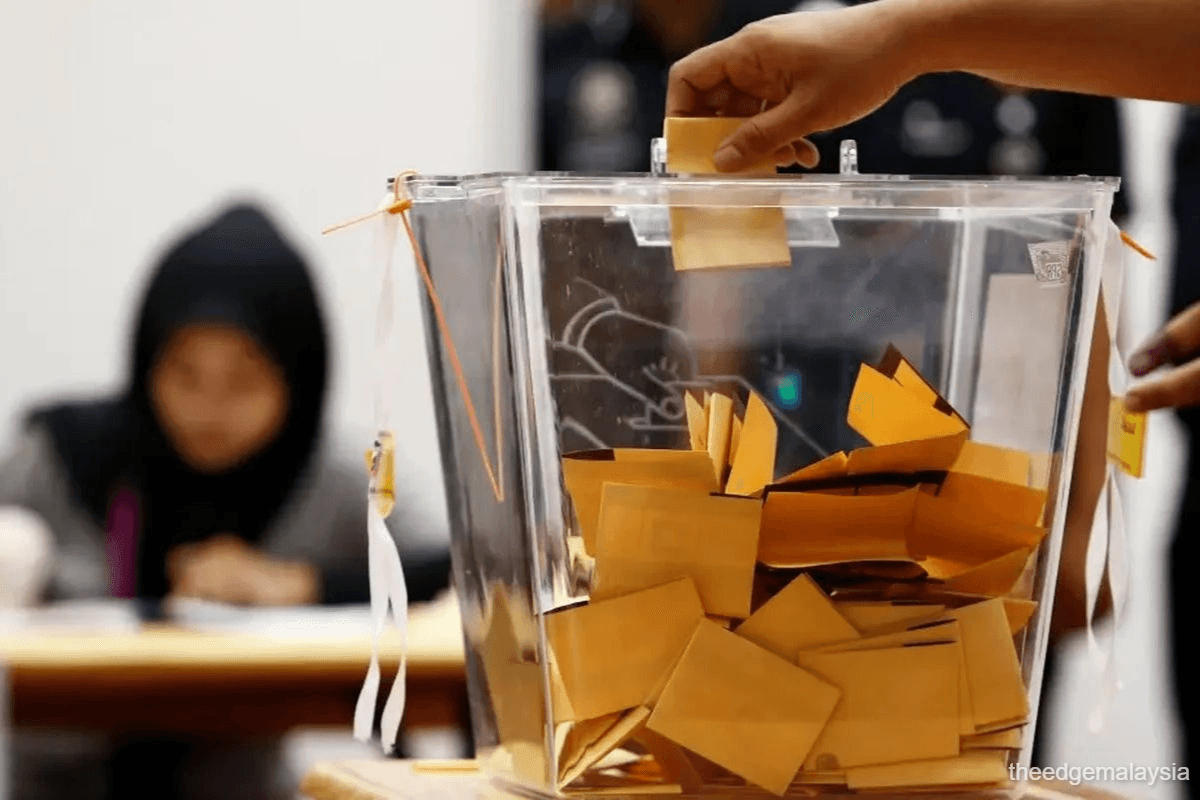
SEREMBAN — As campaign activities intensify ahead of the August 1 Negri Sembilan state election, political analysts are evaluating the electoral prospects of 12 Indian candidates contesting across the state’s 36 legislative assembly seats.
Socio-political analyst Periasamy Muthan noted that while Pakatan Harapan (PH) Indian candidates maintain structural advantages in urban and semi-urban strongholds, shifting voter sentiments and multi-cornered contests present localized challenges.
Crucial Constituency Dynamics and Coalition Dynamics
The analysis highlights distinct friction points across key mixed constituencies,
- Seremban Jaya & Sri Tanjung – Despite Unity Government electoral coordination, intense local competition remains evident. DAP and PKR incumbents face pressure to retain grassroots support amid active campaigning from Barisan Nasional (MIC) figures and independent challengers.
- Lukut & Jeram Padang – Emerging parties, including the Malaysian Indian People’s Party (MIPP) making its maiden electoral appearance in Lukut, alongside Bersatu candidates in Jeram Padang, are actively targeting non-Malay swing voters to break traditional bloc voting.
Voter Realignment and Demographic Factors
Periasamy’s assessment points to broader shifts across ethnic voting blocs:
- Non-Malay Turnout and Swing Votes– Support for DAP among Indian and Chinese voters has shown signs of softening due to economic issues and local governance concerns, elevating the importance of voter turnout in mixed seats.
- Racial and Religious Identity Politics- The continued emphasis on identity politics among Malay voters poses strategic challenges for both UMNO and PH candidates, as opposition forces look to consolidate conservative Malay votes.
Whether these analytical models reflect actual voter behavior will be determined when Negri Sembilan electors cast their ballots on August 1.