






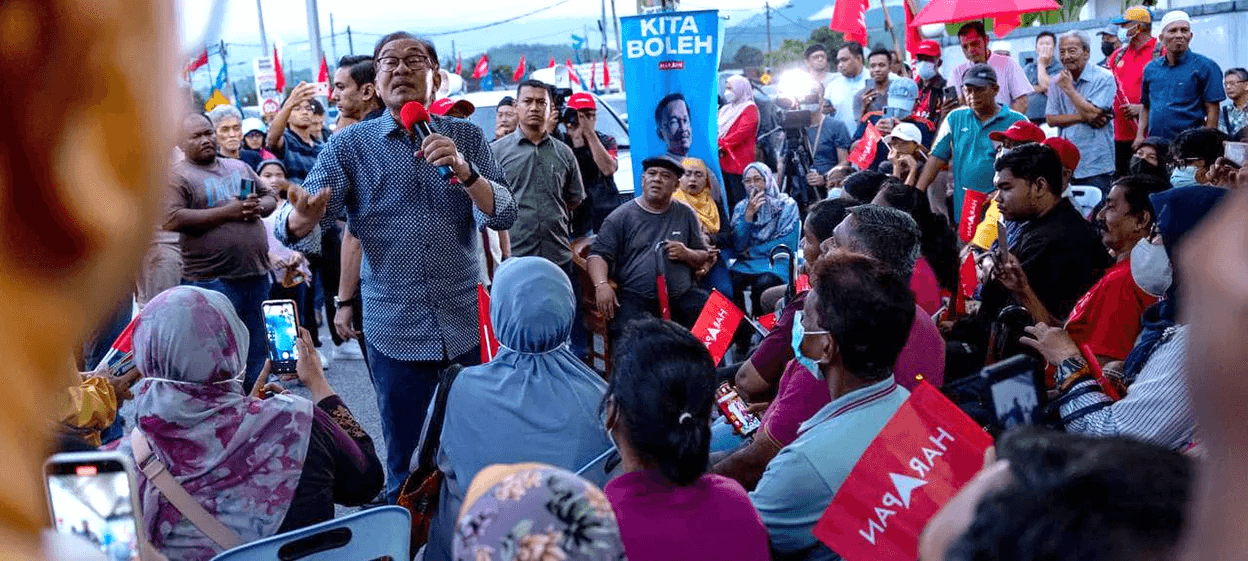
KUALA LUMPUR — Prime Minister Datuk Seri Anwar Ibrahim is facing intense public scrutiny as core non-Malay supporters voice deep frustration over perceived policy compromises, slow economic relief, and a departure from the administration’s original reformist agenda.
Public feedback highlights a growing sentiment that the Pakatan Harapan (PH) leadership has prioritised short-term political survival over meaningful systemic changes, leaving minority voters questioning their continued allegiance to the coalition.
Erosion of Trust and Strategic Alliances
Commentators point out that while the administration has successfully maintained political stability and attracted substantial foreign investments over the past three years, these macroeconomic achievements have not translated into tangible relief for working families. Instead, stagnant wages and the persistent cost of living continue to burden everyday citizens across all communities.
Furthermore, the political necessity of partnering with Umno is increasingly viewed not as a coalition of equals, but as a series of heavy political concessions that undermine public institutional trust.
| Stakeholder Group | Key Public Perception and Grievances |
| Non-Malay Voters | Feeling abandoned due to the administration’s silence on racial rhetoric and a perceived pandering to conservative groups. |
| DAP Supporters | Growing concern that remaining within PH will cause severe electoral damage, prompting calls for the party to reclaim its independent identity. |
| Working Class Families | Widespread frustration over the widening gap between high-level economic data and actual household financial struggles. |
The Search for a Political Alternative
The prevailing disillusionment has also shifted focus toward the broader political landscape, particularly the upcoming state elections, which analysts believe will serve as a definitive litmus test for public patience.
With traditional voting patterns fracturing, a segment of the electorate is beginning to look away from the established coalitions. The newly active Parti Bersama Malaysia (Bersama), led entirely by figures under 50 years of age, is increasingly cited by the public as a potential third-force kingmaker that could capture the support of fence-sitters weary of conventional racial and patronage-driven politics.