





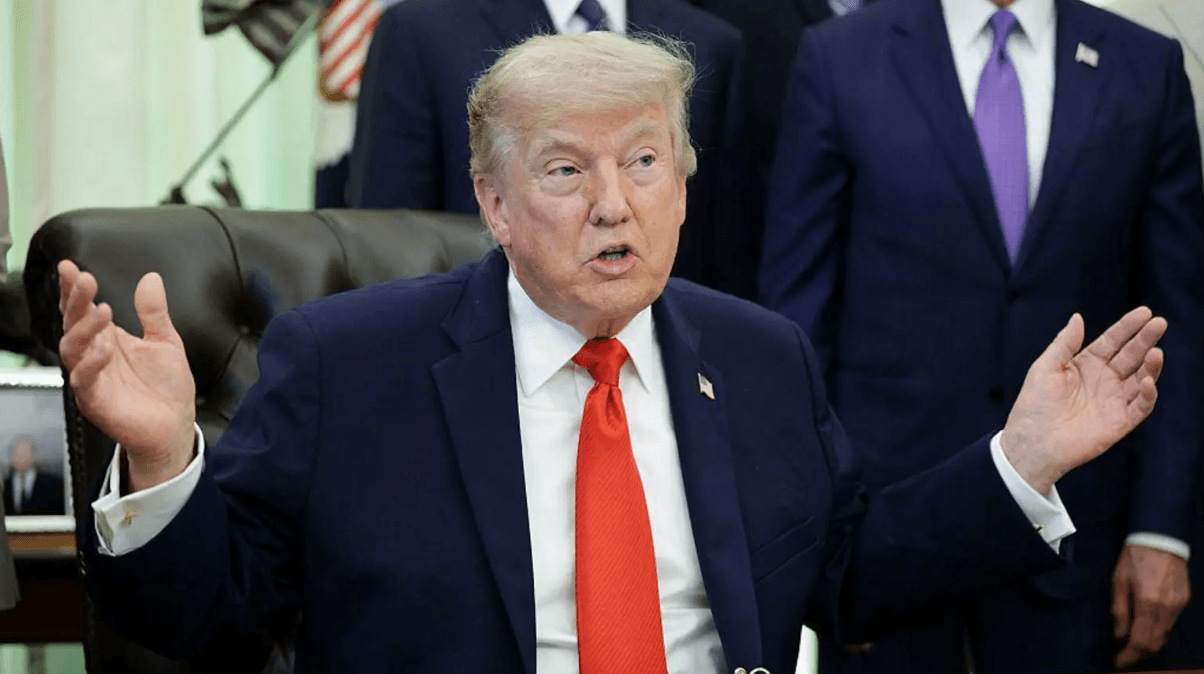
DUBAI – A historic turning point has arrived for the Middle East. Specifically, negotiators have completed a preliminary US-Iran peace framework to end their four-month war. Pakistani Prime Minister Shehbaz Sharif and US President Donald Trump announced the massive breakthrough early Monday morning. According to official reports, the two sides will hold a formal signing ceremony this Friday in Switzerland. This vital step looks to end months of intense regional fighting.
Reopening the Strait of Hormuz
The primary goal of the new pact is to jumpstart global trade. For instance, the deal calls for the immediate reopening of the Strait of Hormuz. President Trump confirmed that the vital waterway will soon open completely toll-free to international ships. Additionally, the United States will end its strict naval blockade of Iranian ports. Because of this major announcement, global oil prices fell by more than four percent in early trading.
However, the path to the US-Iran peace framework faced sudden dangers over the weekend. Specifically, an Israeli airstrike hit targets in Beirut on Sunday. Iranian negotiators quickly criticized the attack and questioned Washington’s true intentions. President Trump also noted that the strike should not have happened during such critical talks. Nevertheless, both sides pushed forward to finish the preliminary text on schedule.
Next Steps for the US-Iran Peace Framework
The dynamic agreement outlines several key milestones for the coming weeks. For example, the initial pact launches 60 days of intense diplomatic talks. During this timeframe, teams will address complex long-term issues. Specifically, negotiators must build a clear plan to handle Iran’s nuclear program. Also, the United States will release 25 billion dollars in frozen Iranian assets as benchmarks are met.
Meanwhile, close regional allies continue to view the deal with deep caution. For instance, Israeli Prime Minister Benjamin Netanyahu stated that Israel is not a party to the pact. Israel vows to keep its full military freedom to counter local threats. Consequently, defense teams must work carefully to ensure the truce holds. Ultimately, the world now watches Switzerland to see if the final signatures will bring lasting safety.