




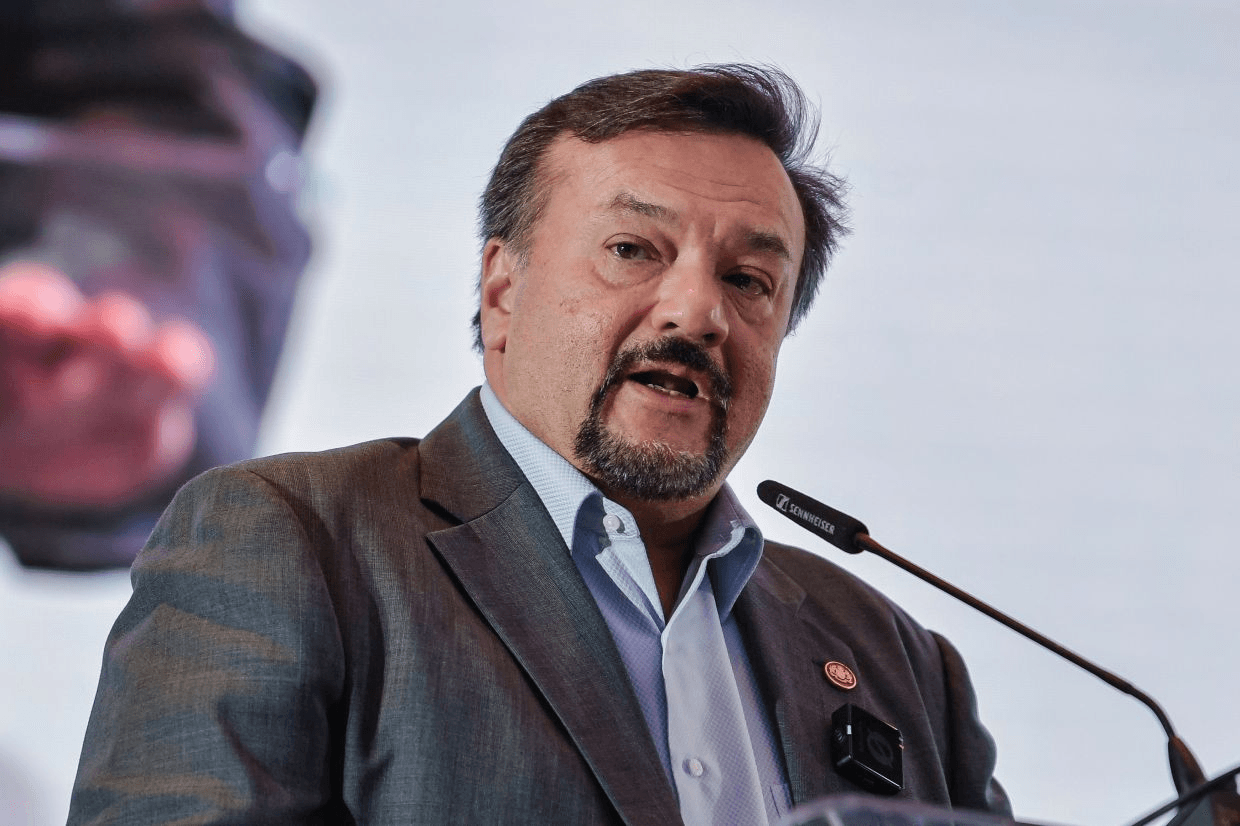
KUALA LUMPUR — Malaysia’s targeted fuel subsidy scheme, BUDI MADANI RON95 (BUDI95), has generated between RM2.5 billion and RM4.0 billion in annual fiscal savings while reaching more than 14.2 million citizens, Finance Minister II Datuk Seri Amir Hamzah Azizan informed the Dewan Negara on Monday.
Responding to a question from Senator Datuk Bobbey Ah Fang Bin Suan on cost reductions, Amir Hamzah revealed that out of 16.7 million eligible Malaysians, over 85% have utilized the scheme, consuming more than 13.4 billion litres of subsidised RON95 fuel.
He clarified that market-driven, unsubsidised fuel prices apply exclusively to non-citizens and individuals who do not satisfy BUDI95 eligibility criteria.
Usage Data Validates 200-Litre Cap
Addressing actual consumption patterns recorded between October 2025 and June 2026, Amir Hamzah pointed out that average individual usage remains far below the government’s monthly allocation cap,
- Average Consumption – Typical individual usage stands at approximately 100 litres per month.
- High-Volume Users – Fewer than 1% of BUDI95 beneficiaries consistently consume more than the maximum 200-litre monthly quota.
Amir Hamzah noted that net annual savings will fluctuate depending on global crude oil benchmarks, foreign exchange rate movements, and actual domestic consumption trends.
Government Rejects OECD Call for Total Subsidy Elimination
Responding to a supplementary question from Senator Robert Lau Hui Yew regarding recommendations by the Organisation for Economic Co-operation and Development (OECD) to phase out BUDI95 over the medium term, Amir Hamzah firmly ruled out a total subsidy withdrawal.
While the Paris-based think tank recommended eliminating fuel subsidies to strengthen Malaysia’s fiscal standing as it approaches high-income nation status, the minister reiterated that Malaysia prioritizes gradual, targeted assistance over radical market deregulation.
“We fully understand that the OECD has recommended the withdrawal of all subsidies, but we cannot do that in this country,” Amir Hamzah stated. “What is important is that we provide subsidies in a targeted manner rather than making abrupt changes as suggested by the OECD.”