





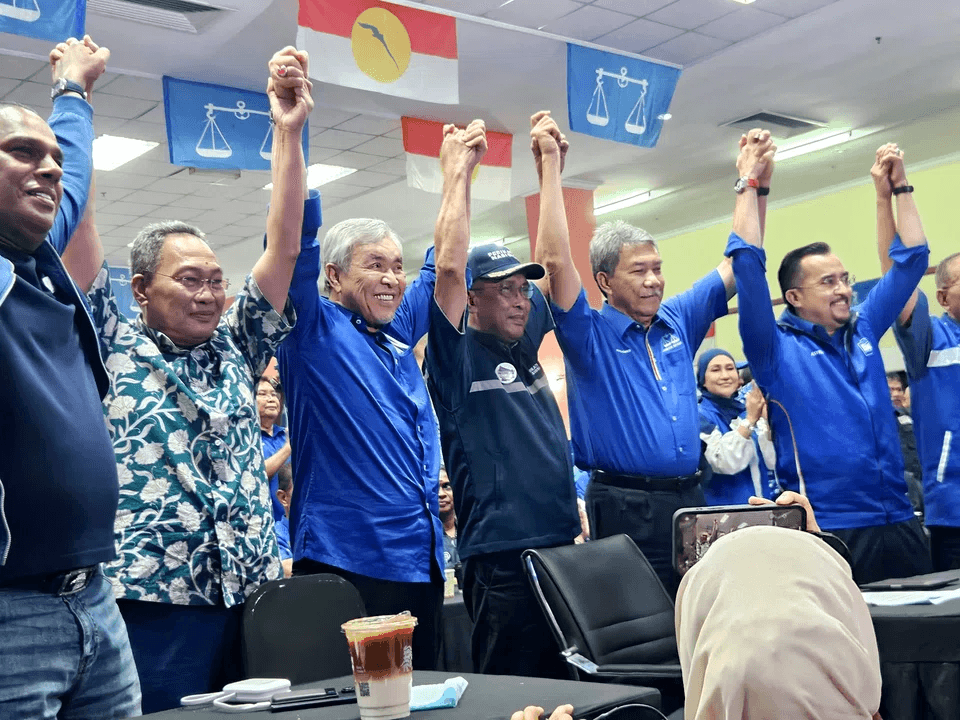
SEREMBAN — In a major political realignment, the Barisan Nasional (BN) and Perikatan Nasional (PN) electoral pact secured a two-thirds supermajority in the August 1 Negeri Sembilan state election, ending eight years of Pakatan Harapan (PH) administration.
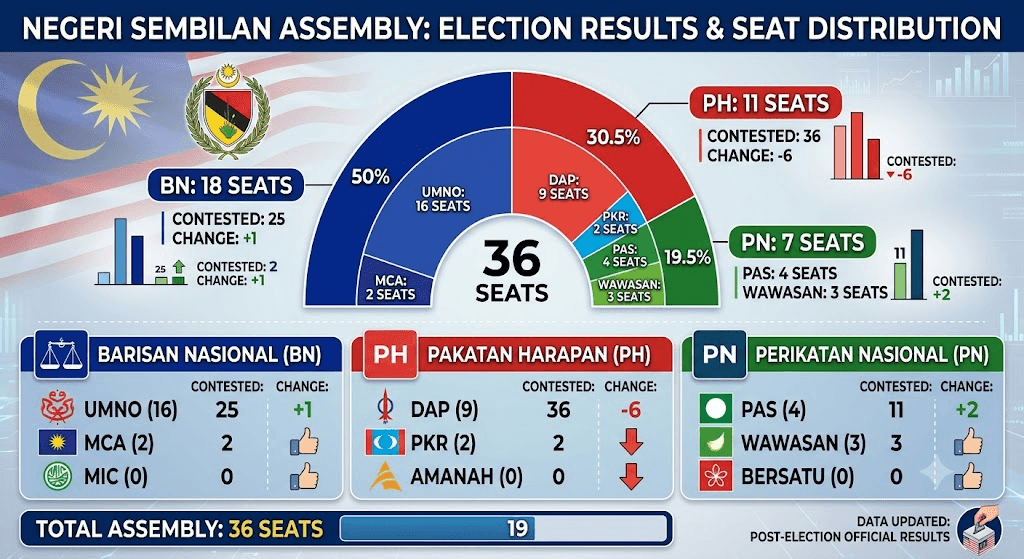
Official results confirmed by the Election Commission (EC) show BN winning 18 seats, PH reduced to 11 seats, and PN capturing 7 seats. The combined 25-seat total gives the BN–PN alliance control of the 36-seat State Legislative Assembly, exceeding the 24-seat two-thirds threshold.
High-Profile Defeats: Loke and Caretaker MB Fall
The outcome was defined by high-profile upsets targeting PH’s top leadership:
- Chennah (N.01): DAP Secretary-General Anthony Loke was defeated by MCA’s Siow Kong Choon by 688 votes, ending his 13-year tenure as the constituency’s representative.
- Linggi (N.32): Caretaker Mentri Besar Aminuddin Harun (PH–PKR), who vacated his long-held seat of Sikamat to contest Linggi, lost to BN by 2,976 votes.
- Key Seat Flips: PN wrested Sikamat from PH with a 4,413-vote margin, Klawang with a 1,317-vote margin, and Ampangan with a 3,969-vote margin. BN reclaimed Repah from PH with a slim 444-vote majority.
Parti Amanah Negara was completely shut out, losing all nine seats it contested, while Bersatu also failed to secure any seats.
Federal Implications and Governance Shift
Following the announcement, BN Chairman Datuk Seri Ahmad Zahid Hamidi met with Yang di-Pertuan Besar Tuanku Muhriz Tuanku Munawir at Istana Hinggap to discuss the appointment of the new Mentri Besar, with UMNO’s Ismail Lasim positioned to lead the incoming administration.
Accepting the voters’ decision, outgoing MB Aminuddin Harun noted:
“I accept the decision made by Negeri Sembilan voters. Our administration did our best over the past eight years… Maybe my report card was still lacking.”
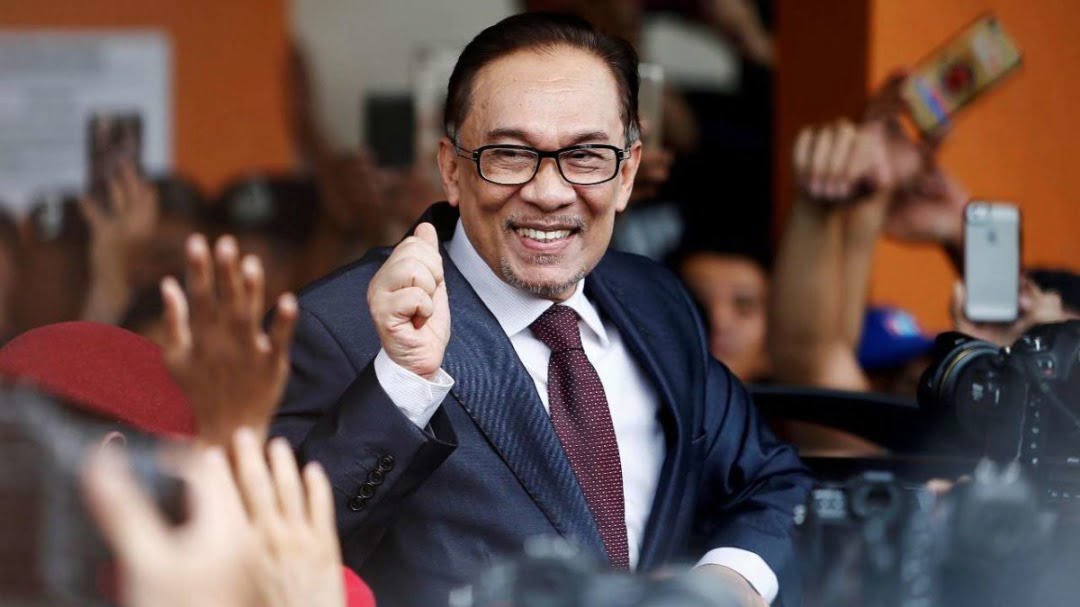
Prime Minister and PH Chairman Anwar Ibrahim confirmed that the federal government will maintain functional cooperation with the incoming Negeri Sembilan state administration to support ongoing public infrastructure and economic development.