







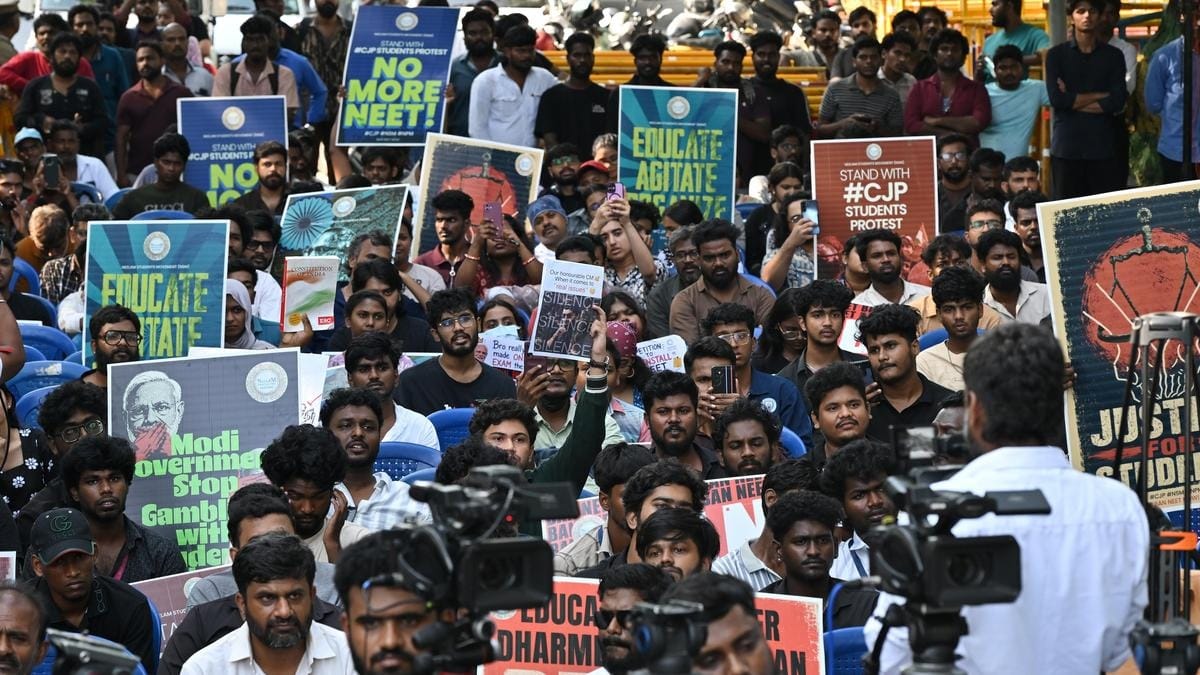
NEW DELHI — What began as allegations of irregularities in India’s National Eligibility cum Entrance Test (NEET) has grown into one of the country’s most emotional education crises, triggering nationwide protests, calls for accountability, and renewed debate over the future of India’s examination system.
For millions of students, NEET is more than just an entrance examination. It is the single gateway to medical education in India and the culmination of years of relentless sacrifice. Every year, millions compete for a limited number of seats in government and private medical colleges. Many students dedicate between two and five years to preparation, studying up to 10 to 14 hours a day while families invest significant amounts in coaching classes, relocation, and gap years, all in pursuit of one dream, becoming a doctor.
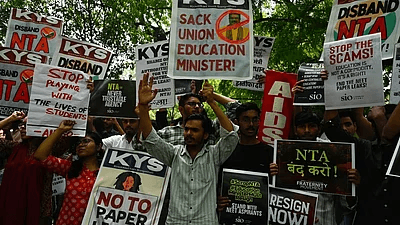
That dream was shaken following allegations that the NEET examination conducted on May 3, 2026, had been compromised by a large-scale paper leak.
The allegations sparked widespread anger among students and parents, many of whom questioned the integrity of an examination that determines the future of aspiring doctors across the country. As investigations unfolded, authorities announced a re-test on June 21, 2026, forcing thousands of candidates to prepare once again for an examination they believed they had already completed.
For many students, the announcement was devastating.
After years of preparation, countless hours of study, and immense emotional pressure, they suddenly faced the prospect of reliving the most stressful period of their lives not because of their own actions, but because of alleged failures within the examination system.
Mental health concerns soon became part of the national conversation, with reports linking the controversy to severe emotional distress among students. Families expressed fears about the immense psychological burden placed on candidates already coping with extraordinary academic pressure.
As public frustration intensified, education reformer Sonam Wangchuk emerged as one of the most prominent voices supporting affected students. Launching an indefinite hunger strike, Wangchuk called for accountability over the examination controversy and broader reforms to India’s education system.
His message resonated with many across the country,
“Students who did nothing wrong should not have to suffer because the system failed them.”
The hunger strike soon became a symbol of growing dissatisfaction with how the crisis was being handled.
After weeks of protest, authorities removed Wangchuk from the protest site and admitted him to hospital. The incident, which supporters claim occurred against his wishes, drew significant public attention and further intensified demonstrations across the country.
On July 20, 2026, thousands gathered at Jantar Mantar in New Delhi, demanding transparency, accountability, and justice for students affected by the examination controversy.
For many demonstrators, the movement had evolved beyond NEET itself.
Protesters argued that the issue represented a broader struggle for fairness, transparency, and public trust in India’s education system.
The demonstrations were met with a heavy security presence. Police deployed barricades across central Delhi, restricted movement in several areas, and detained protesters after attempts were reportedly made to cross security barriers. Visuals from the protest showed the use of tear gas and baton charges during clashes between demonstrators and law enforcement.
Police maintained that force was used only after protesters attempted to breach security barricades. However, supporters of the movement argued that citizens demanding accountability were met with force instead of dialogue.
The events have sparked difficult questions that continue to dominate public discussion.
Why should students bear the consequences of alleged systemic failures?
Why were protesters calling for accountability met with tear gas instead of meaningful dialogue?
Why did a peaceful hunger strike end through police intervention rather than negotiation?
Regardless of political opinion, these questions have become central to the national conversation surrounding the NEET controversy.
Education experts argue that public confidence in high-stakes examinations depends not only on conducting fair assessments but also on ensuring transparent investigations whenever allegations of misconduct arise. For many students, trust in the examination system has become just as important as the examination itself.
The NEET controversy has evolved far beyond an academic dispute. It has become a story about the emotional cost of institutional failures, the pressures faced by young people chasing their dreams, and the responsibility of public institutions to protect both fairness and public trust.
As investigations and protests continue, one message echoes across campuses and protest grounds alike: students deserve an education system that is transparent, accountable, and worthy of the sacrifices they make.
For thousands of aspiring doctors, the demand is no longer simply for another examination it is for justice.