








KUALA LUMPUR — Back pain is one of the most common complaints among working adults, often blamed on long hours at the desk, poor posture, or fatigue after a busy day.
However, a medical expert cautioned that in some cases, what appears to be routine back discomfort could actually signal an underlying condition such as kidney stones.
Sunway Medical Centre, Sunway City (SMC) Urology specialist Dr S. Sivaprakasam said distinguishing between ordinary muscular back pain and pain caused by urinary tract stones can sometimes be challenging, as both may occur in similar areas of the body.
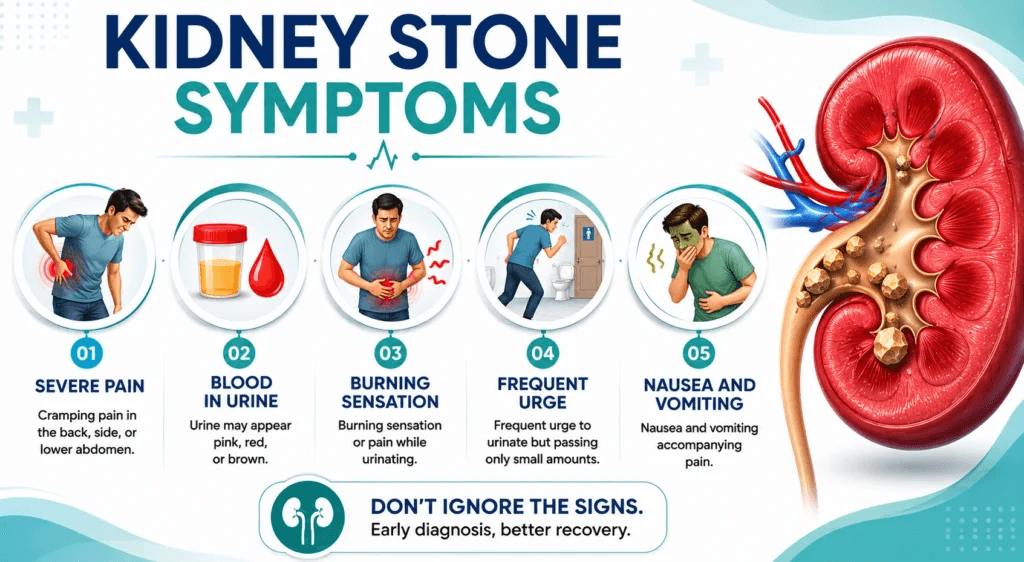
Differentiating Musculoskeletal Pain from Kidney Stones
Dr Sivaprakasam explained that patients often cannot differentiate the source of the pain based on location alone, as both musculoskeletal pain and kidney stone-related pain can affect the lower back or side:
- Musculoskeletal Pain: Usually triggered by movement or physical activity and often improves with rest, especially after lying down. It also tends to worsen toward the end of the day.
- Kidney Stone Pain: Typically sudden, severe, and unpredictable—sometimes waking a person from sleep. The pain often occurs in waves, coming and going in cycles, unlike the more constant pain associated with musculoskeletal issues.
Diagnosis and Modern Treatment Advances
Dr Sivaprakasam, who has over 15 years specializing in urology, stressed that persistent or recurring back pain should not be ignored if it does not improve after a few days of rest.
- Early Detection – A simple urine test at a general practitioner’s clinic can reveal hidden blood in the urine, serving as an early sign of urinary tract stones.
- Diagnostic Imaging -Patients are often referred for a low-dose non-contrast Computed Tomography (CT) scan—currently the most reliable diagnostic tool—to confirm the stone’s size, presence, and exact location.
- Advanced Procedures – Open surgery, once the standard decades ago, is now rarely required. Modern treatments utilize miniaturized instruments inserted through the natural urinary pathway without large incisions, using laser technology to break stones into tiny, easily eliminated fragments.
- Recovery & Management – These minimally invasive techniques significantly reduce pain and recovery time, allowing many patients to return home the next day and resume normal activities within 1 to 2 days. Temporary stents used during the procedure are typically removed after 10 to 14 days during a routine day-care appointment. Smaller stones (less than 5 mm) may simply be treated with medical therapy and increased fluid intake to pass naturally.
High-Risk Groups and Lifestyle Recommendations
While kidney stones can affect anyone, lifestyle factors such as inadequate hydration remain a major contributor—particularly among urban workers in air-conditioned environments who do not sweat as much and underestimate their fluid needs.
- Urination Habits – Delaying trips to the toilet due to meetings or busy schedules allows minerals to remain in the urinary tract longer, encouraging crystal formation.
- Beverage Choices – Relying on coffee, tea, or sugary drinks worsens dehydration, as caffeine acts as a mild diuretic, causing net fluid loss.
- Optimal Hydration – Adults should consume 2.5 to 3 liters of fluids daily, primarily from plain water.
- Dietary Adjustments – High intake of red meat, fast foods, and oxalate-rich foods (such as cocoa and pepper) increases risk, whereas citrate-rich fruits (lemons, limes, pineapples) help inhibit stone formation.
Keeping urine diluted and the urinary system active remains the single most critical factor in preventing crystal formation and kidney stones.